Data Engineers
100% free & online
Get unlimited access
Data integration architecture for data engineers
From ETL fundamentals to operational analytics. 10 articles on data pipeline architecture patterns, CDC, and when managed sync replaces custom integration code.
Step 1: Fundamentals
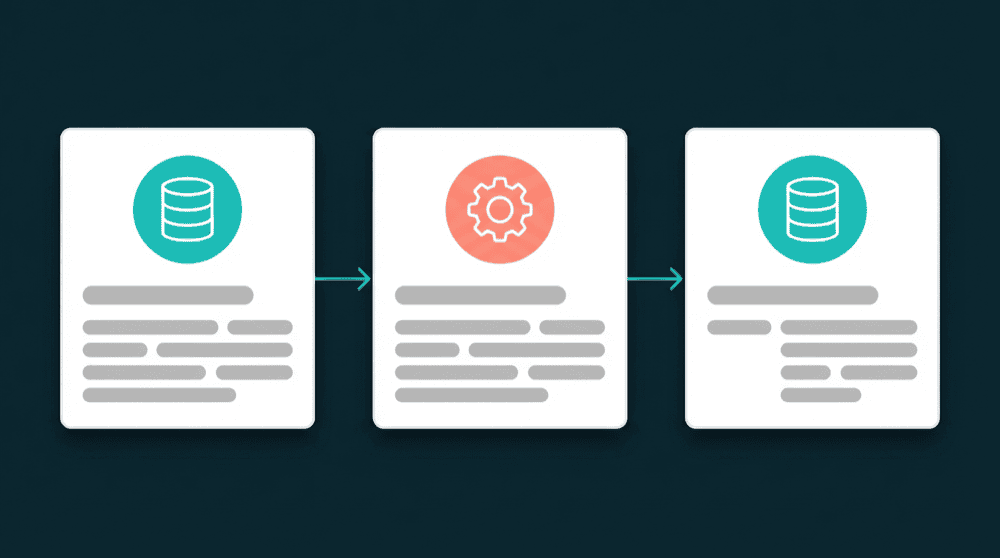
ETL process steps and when extract-transform-load applies
The foundation of every data integration architecture decision. Understand when ETL fits your workload and when the warehouse dependency is overhead you can skip.
ELT vs ETL for data engineers: choosing the right extraction pattern
ELT shifted transforms into the warehouse but kept the warehouse. Know the cost and complexity trade-offs so you can recommend the right pattern for each use case.
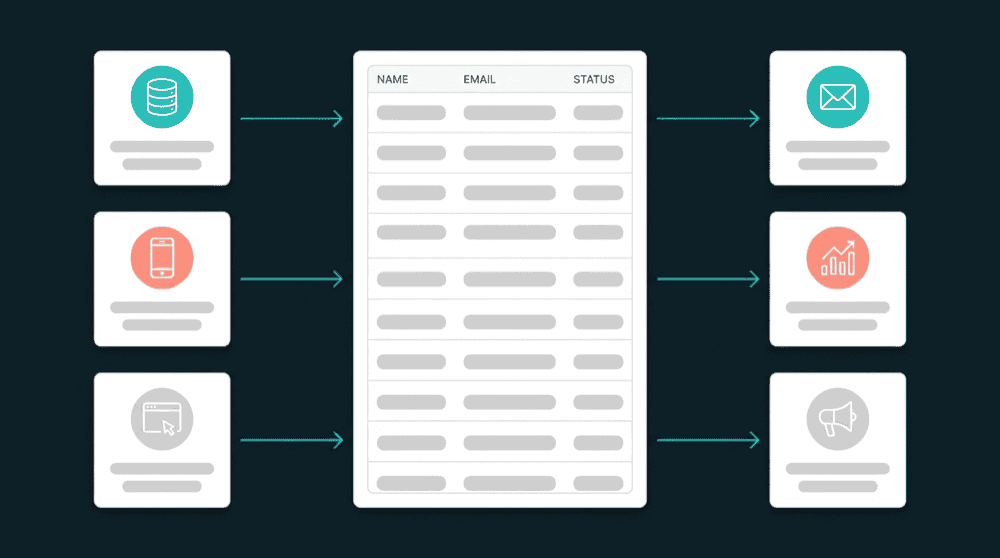
Data pipeline architecture patterns: batch, streaming, and event-driven
Every pipeline you build follows one of three patterns. Match the pattern to the latency requirement instead of defaulting to batch because it is familiar.
Step 2: Building Skills
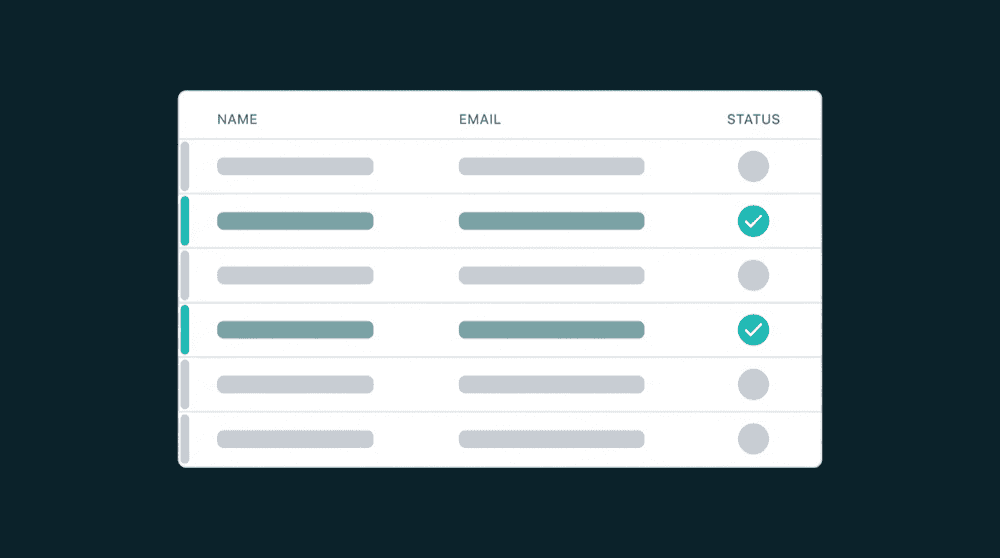
Change data capture methods for efficient replication
CDC tracks diffs instead of copying full snapshots. Know when log-based CDC, trigger-based CDC, or API-based polling fits your source system.
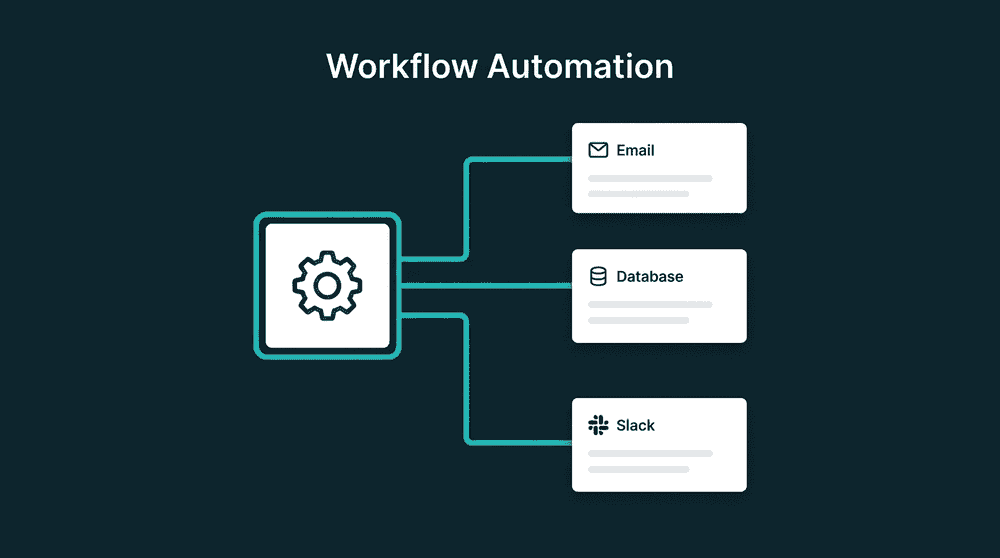
Webhook infrastructure and why custom handlers break
You have probably built a webhook handler that worked in staging and failed in production. Understand the failure modes before you build the next one.
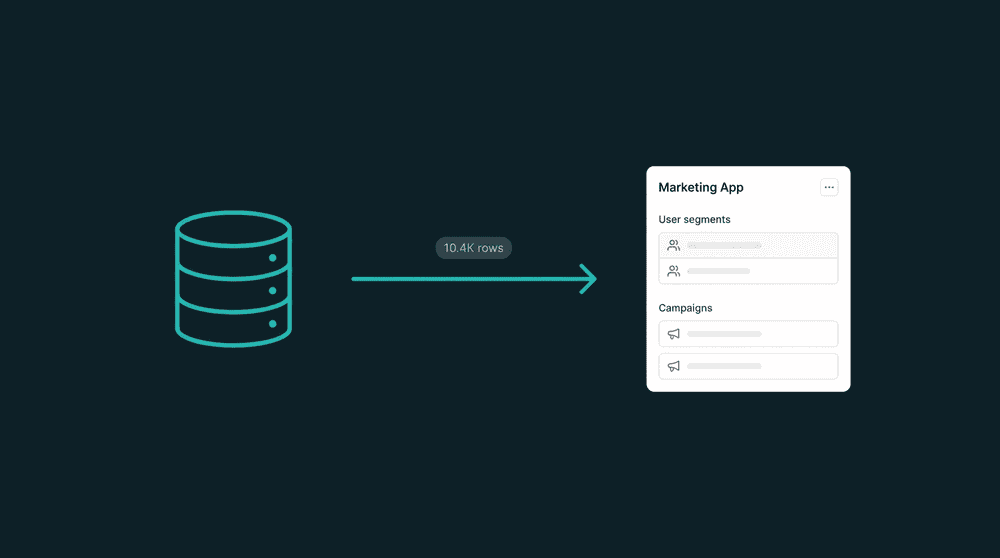
Reverse ETL and the warehouse loop
Reverse ETL closes the warehouse-to-tool gap. But if data started in a SaaS tool, routing it through a warehouse just to reach another tool is a round trip you can skip.
Step 3: Advanced Strategy
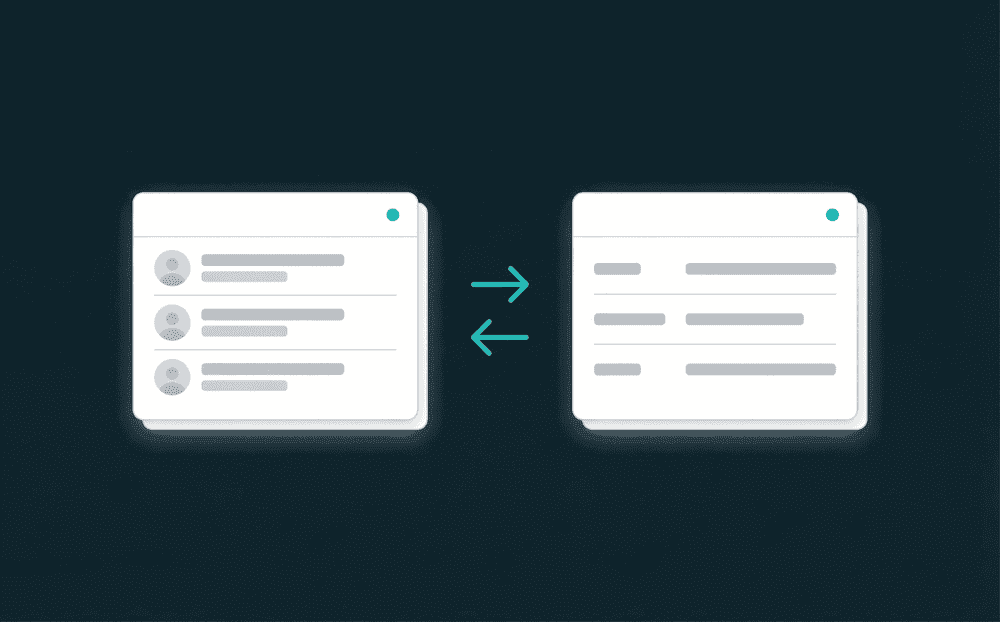
SDK vs API for data sync: the build-vs-buy calculation
Every custom integration you maintain costs engineering hours. This article quantifies the trade-off so you can justify replacing hand-rolled sync with a managed platform.
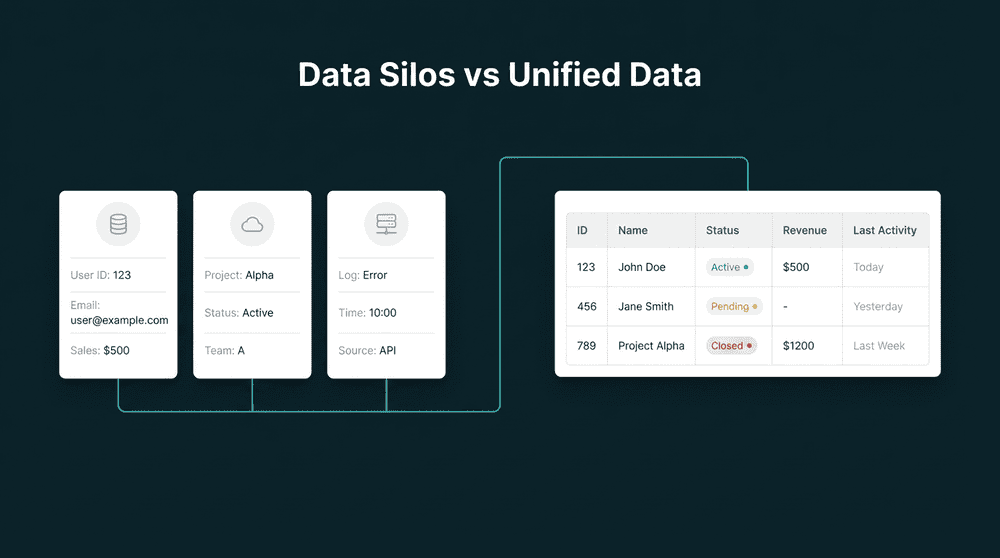
Data silos as an architecture failure mode
Silos form when each new tool stores its own copy of customer records without propagating changes. Recognize the architecture patterns that create them before your integration surface grows.
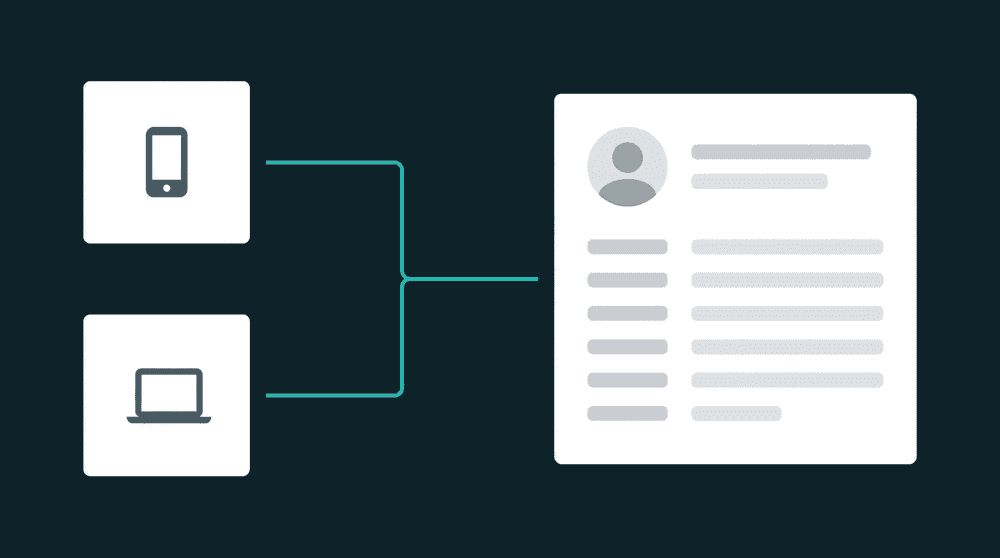
Identity resolution without an identity graph
If your systems share a common key like email or customer ID, matching records is a sync problem, not a data science project. Know when a shared key is enough.
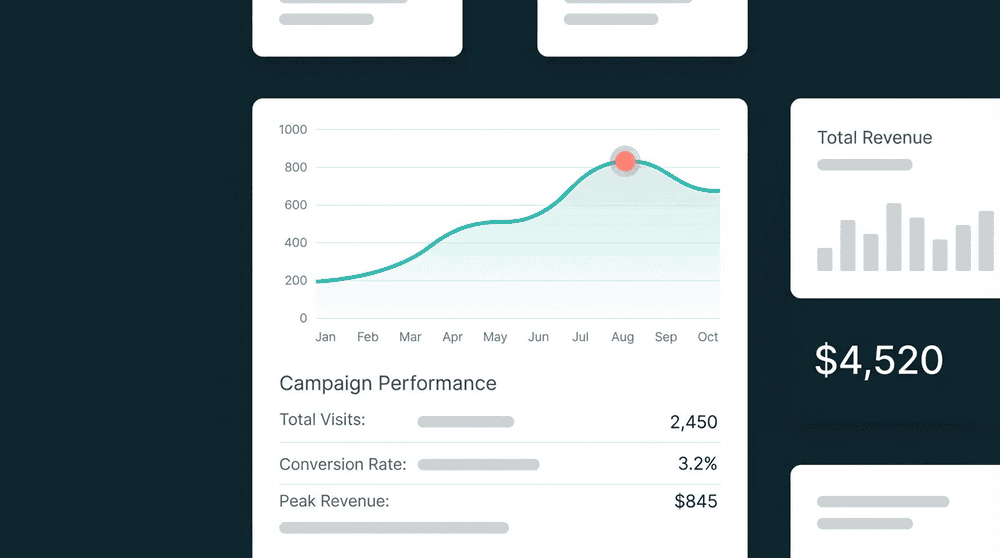
Operationalizing data without managing warehouse infrastructure
Operational analytics pushes data into the tools where teams act on it. Direct tool-to-tool sync delivers this without warehouse compute or SQL models, and works alongside warehouses too.