Warehouse Optional
No SDK Required
Customer Segmentation CDP
Build audience segments from your CRM, billing, and support data. Sync them to every destination automatically.

Why Teams Need a Customer Segmentation CDP
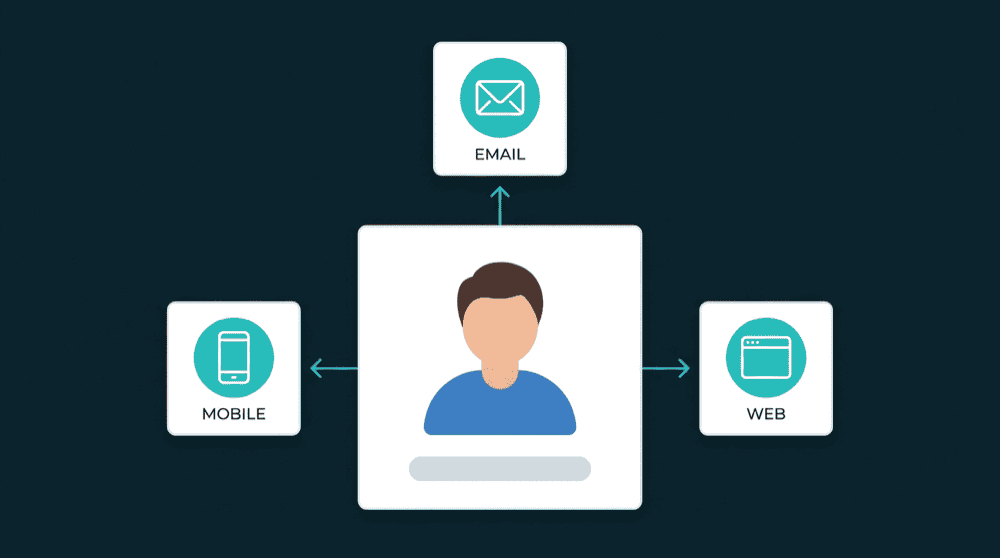
Your customer data is split across billing, support, and product tools. Building segments means pulling CSVs or writing SQL against a warehouse. A CDP connects those tools and segments for you.
Customer Segmentation CDP Capabilities
Real-time audience segmentation built on the data your tools already have.
Segments built from live tool data
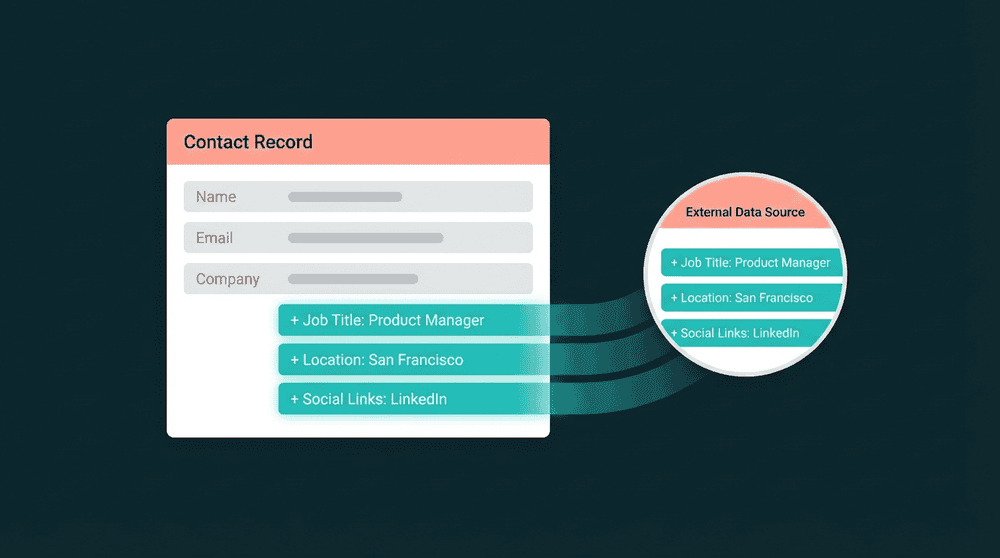
Oneprofile reads directly from your CRM, billing platform, support tool, and database. Segments use real, current fields from every connected source instead of stale batch snapshots.
Every tool gets the same segments
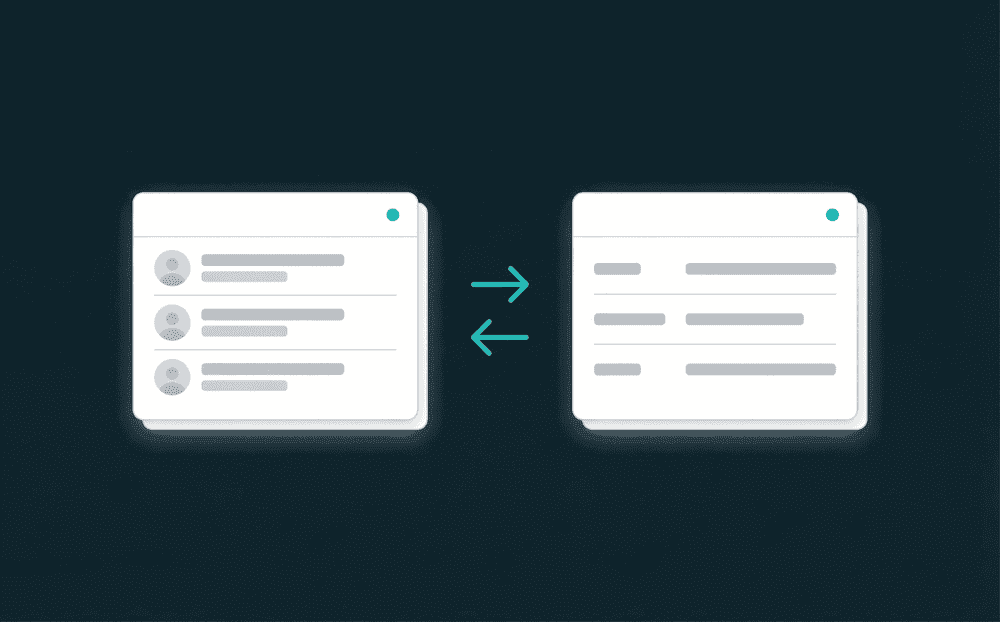
Audience segments sync to your email tool, ad platform, CRM, and analytics. Bidirectional connectors push updates to every destination so marketing, sales, and support work from identical groups.

Segments update as your data changes
When a customer upgrades in Stripe or opens a ticket in Intercom, their segment membership updates automatically. No batch lag.

No event taxonomy or infrastructure
Connect your tools, pick fields, and start segmenting. No Snowflake, no dbt models, no event tracking code to write.

Failed syncs never lose segment data
Records that fail are captured and retried automatically. If retries exhaust, they queue for investigation. No data is silently dropped.
How customer segmentation works in Oneprofile
Connect your tools, define segment rules, and every destination receives the same customer segments.
Step 1
Connect your data sources
Authenticate your CRM, database, billing tool, and support platform. Oneprofile discovers available fields and record types from each tool. No schema setup, no SDK installation.
Step 2
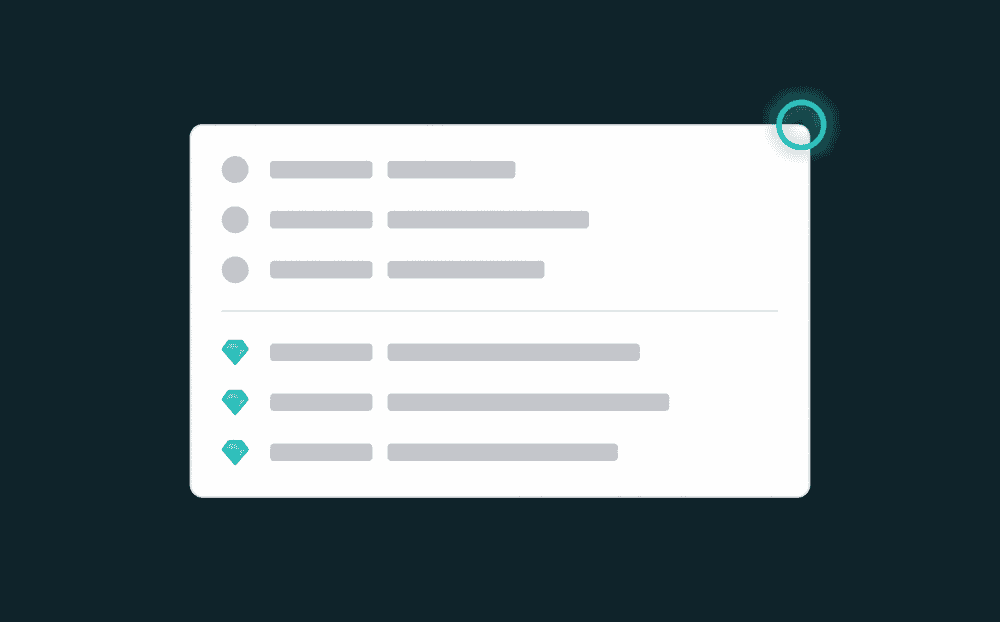
Define segment rules from real tool data
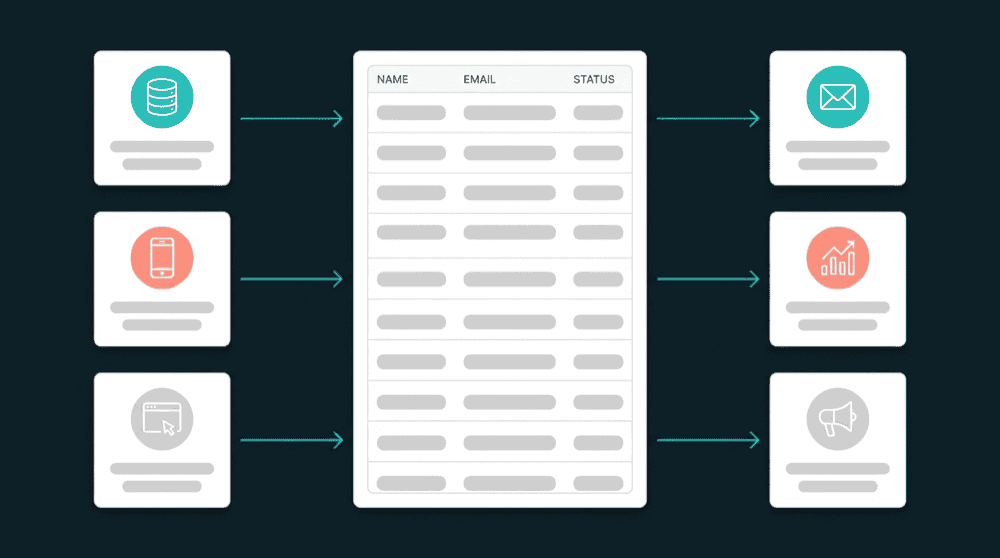
Build audience segments using fields that already exist: plan tier from Stripe, ticket count from Intercom, login frequency from Postgres. Combine criteria across tools in one rule.
Step 3
Sync segments to every destination
Each audience segment syncs to your marketing tools, ad platforms, and CRM automatically. Bidirectional connectors keep segments current as the underlying data changes across tools.