Field-Level Tracking
Dead Letter Queue
Data Quality Built Into Every Sync
A data quality CDP that gives you full visibility into every field change, every sync, and every record.

Why Data Quality CDP Monitoring Matters
Your CRM shows 400 records synced, 3 failed. Which 3? Why? What field broke? Most sync tools stop at the count. Your team needs the details to keep customer data quality high.
Data Quality CDP Capabilities
Data observability built into every sync, from field-level changes to failed record recovery.

Flag type mismatches before data flows
Every field is typed. When a source sends a date and the destination expects a string, Oneprofile warns you before the sync runs. Your tools always receive data in the correct type.
Trace every field change to its source
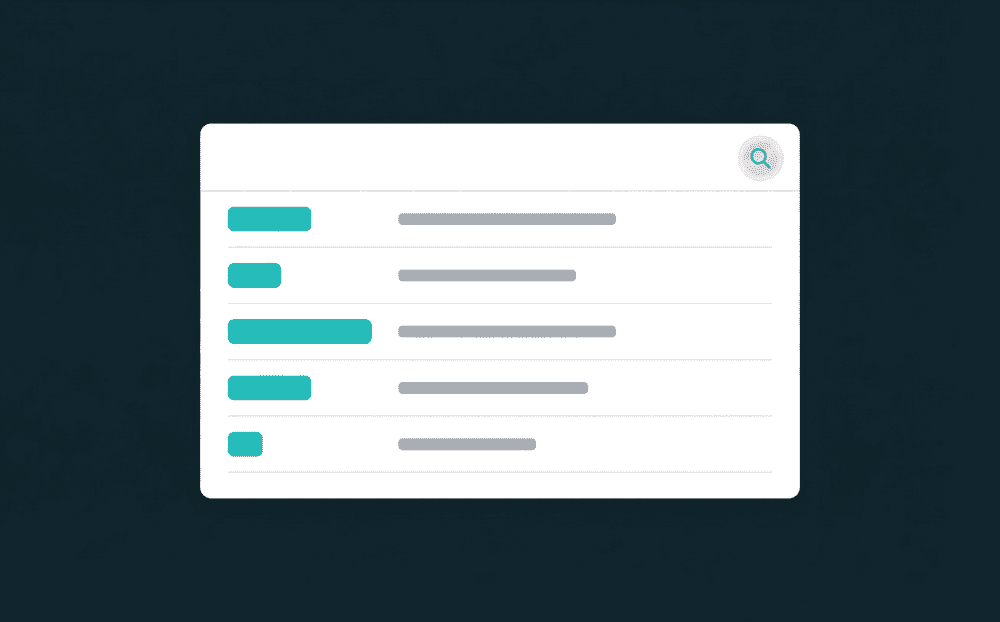
Every sync logs which record changed, which field, the previous value, and the new value. Trace any discrepancy to the exact sync run and timestamp that caused it.

Every failed record is recoverable
Records that fail all retries are captured with the error reason. Inspect, fix the root cause, and reprocess.

Rate-limited records retry automatically
Transient errors and rate limits trigger automatic retry with exponential backoff. Only records that exhaust retries need your attention.

Quality without extra infrastructure
Quality is built into the sync layer. Connect tools and map fields. No tracking plans, schema configs, or event catalogs to maintain.
How data quality CDP tracking works
Connect tools, map fields with type checks, and start data sync monitoring in minutes.
Step 1
Connect tools and discover fields
Authenticate your tools. Oneprofile reads field names and types from both sides so you see exactly what data is available before mapping anything.

Step 2
Map fields with type validation
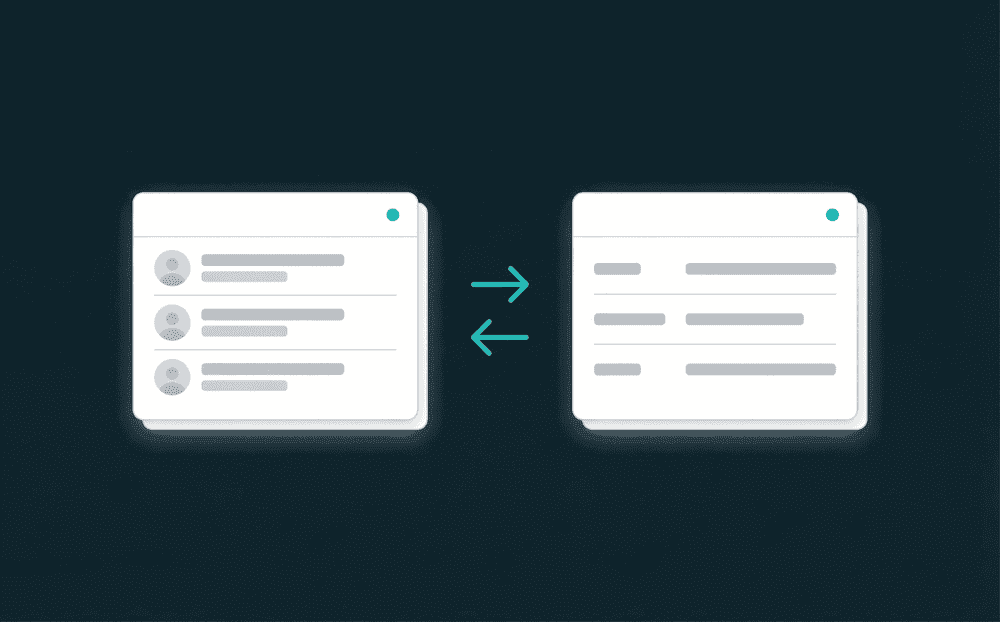
Oneprofile shows source and destination fields side by side with type-aware mapping. Mismatches like date-to-string or number-to-text are flagged before a single record syncs.
Step 3
Monitor syncs and recover failures
Track every run in real time: records synced, created, updated, and failed. Failed records land in a recovery queue with the error reason for investigation.