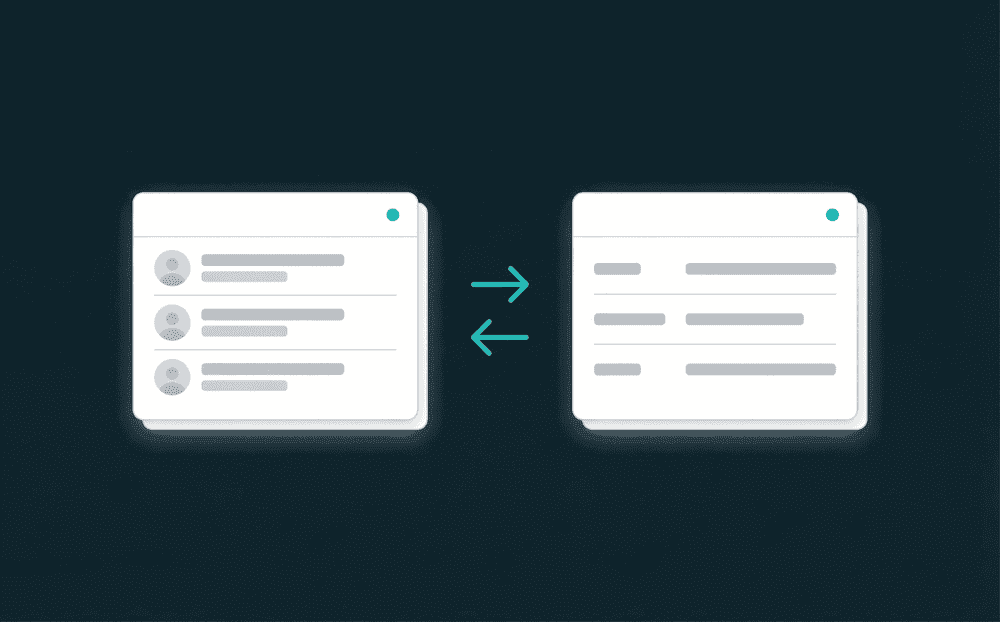
No Pixels Required
Tool-to-Tool Sync
First-Party Data Collection Hub
Connect your CRM, billing, and support tools to unify first-party data without new tracking scripts.

Why First-Party Data Collection Matters
Your CRM, billing tool, and support platform each hold a slice of every customer. Without sync, your team checks three tabs to answer one question.
First-Party Data Collection Capabilities
Every capability your team needs to collect and unify first-party data across tools.

Every tool contributes to the profile
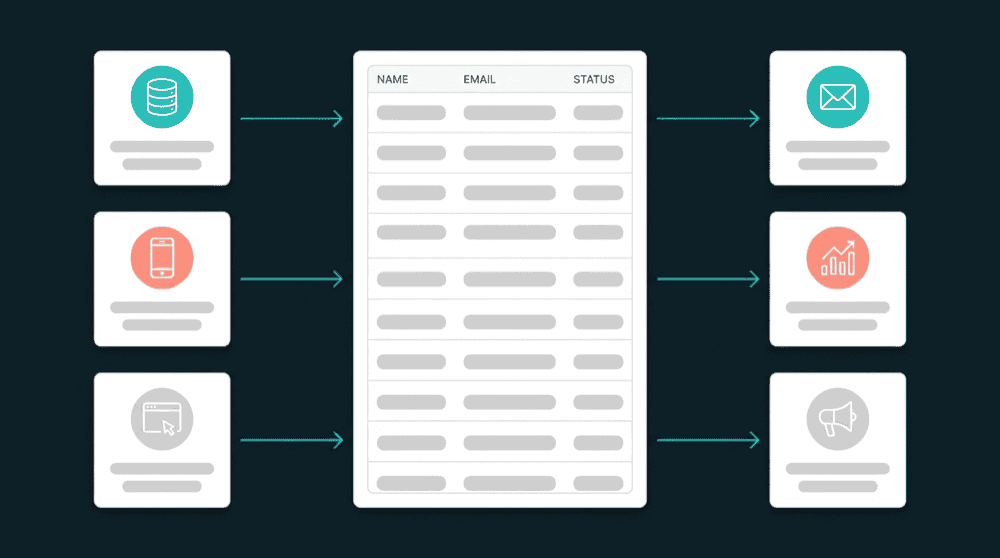
Each connected tool adds its unique data to every customer record. Stripe adds billing status, Intercom adds ticket history, HubSpot adds deal stage. Oneprofile unifies them without a warehouse.
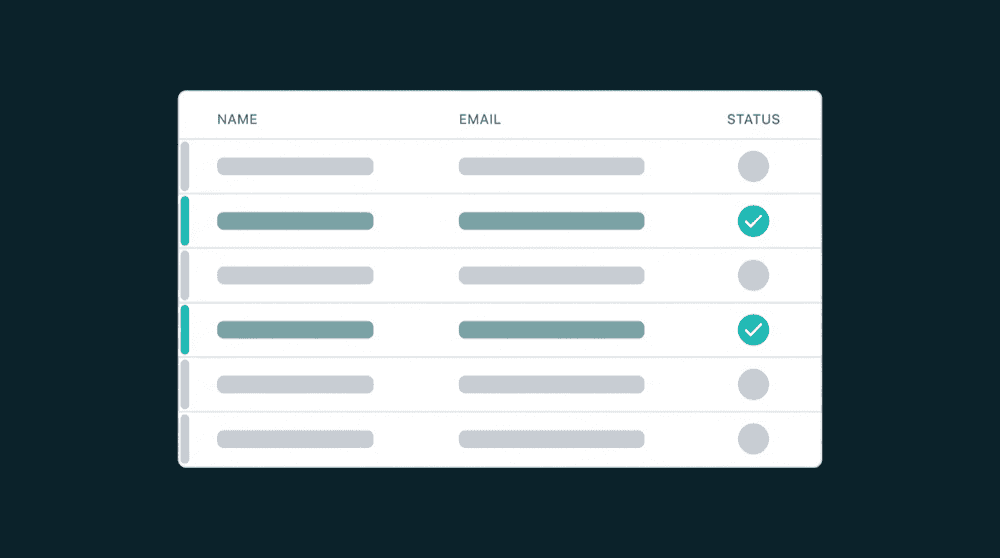
Only changed fields sync
Oneprofile tracks which individual fields changed, with old and new values. Destinations receive precise diffs instead of full record writes, reducing API calls and preventing overwrites.

No new consent flows required
Your tools already collected this data with customer consent. Syncing between your own tools adds no new privacy obligations.

Every failed record is recoverable
Records that fail all retries are captured for investigation and reprocessing. No data is silently dropped.

Historical data syncs on day one
The first sync backfills all existing records. After that, only changed records are processed incrementally.
How first party data collection works
Connect the tools that already have your customer data. No SDK, no pixel, no warehouse.
Step 1
Authenticate your tools
Connect your CRM, billing platform, support tool, and email tool. Oneprofile validates each connection against the live API and discovers available record types.

Step 2
Map fields across tools
Choose which fields sync from each source to each destination. Oneprofile discovers field names from both sides and flags type mismatches before data flows.
Step 3
Sync and unify customer data
Set a schedule and data flows between your tools automatically. Only changed fields are sent, so each tool stays current without redundant API calls.