Analytics Leaders
100% free & online
Get unlimited access
Customer analytics fundamentals for analytics leaders
From event tracking to attribution modeling: 10 articles that help you build a reliable customer analytics practice on complete, connected data.
Step 1: Fundamentals
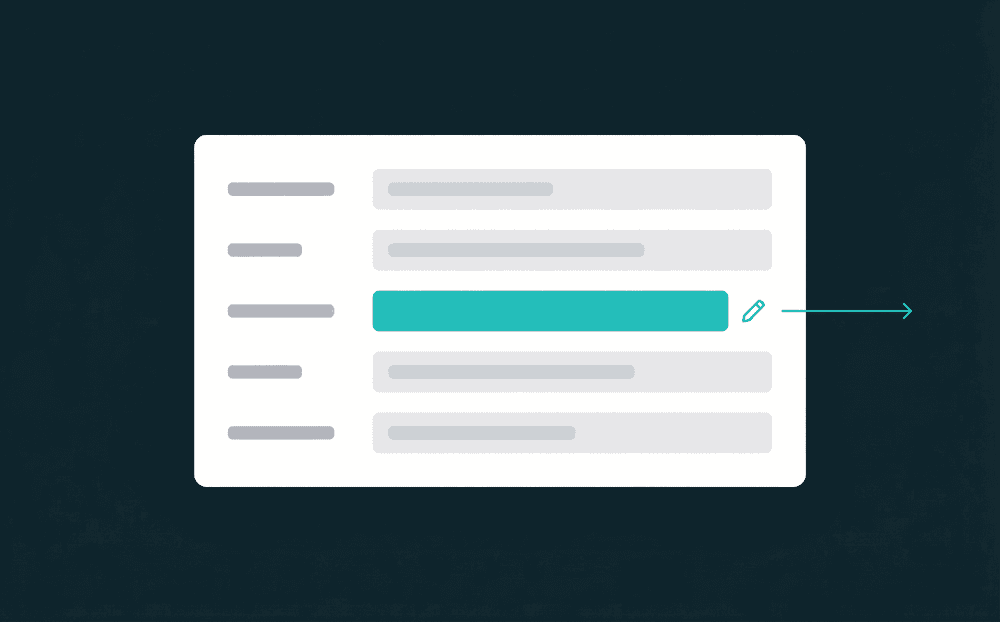
What event tracking captures and why your analytics depend on it
Every analytics insight starts with the data you collect. Understand event tracking before evaluating whether your current collection method gives you the granularity your team needs.
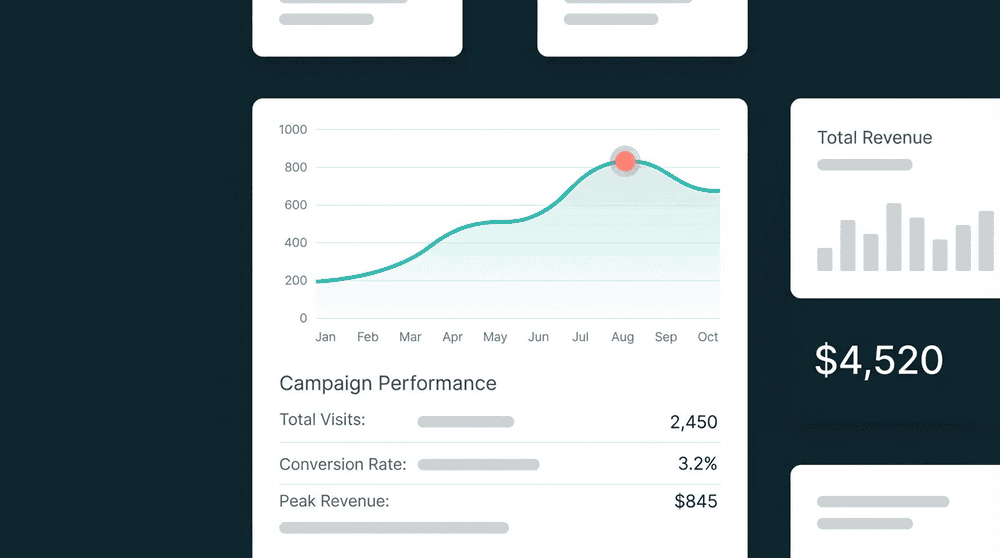
Customer analytics foundations and data requirements
Customer analytics spans acquisition, behavior, and revenue. This article maps the data each analysis type requires so you can identify where your current stack has gaps.
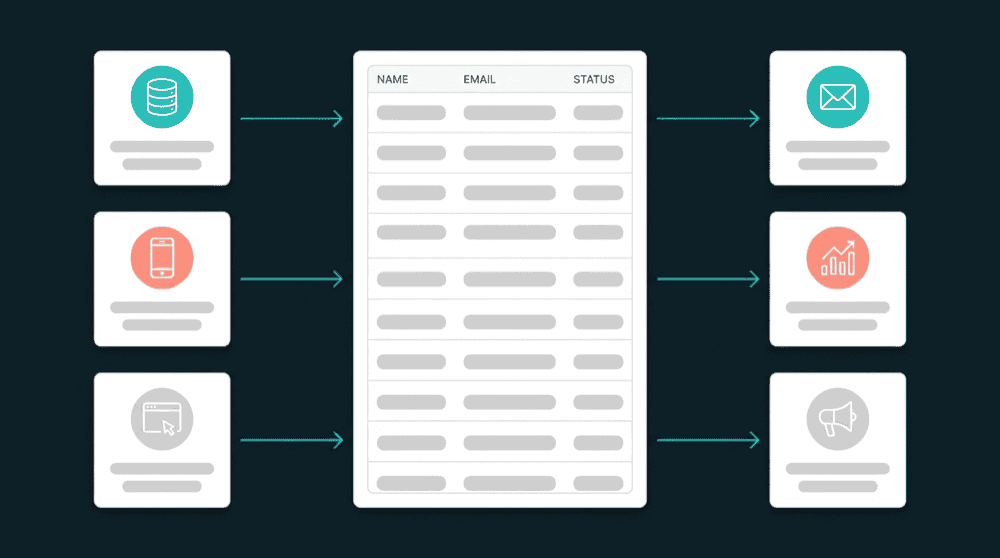
Evaluating whether your analytics stack needs a CDP
CDPs promise unified customer data, but most analytics teams don't need one. This article cuts through vendor positioning to help you decide based on your actual data architecture.
Step 2: Building Skills
Marketing analytics frameworks and key metrics
Marketing analytics connects campaign spend to revenue. Understand the frameworks before building dashboards so you measure what matters instead of what's easy to track.
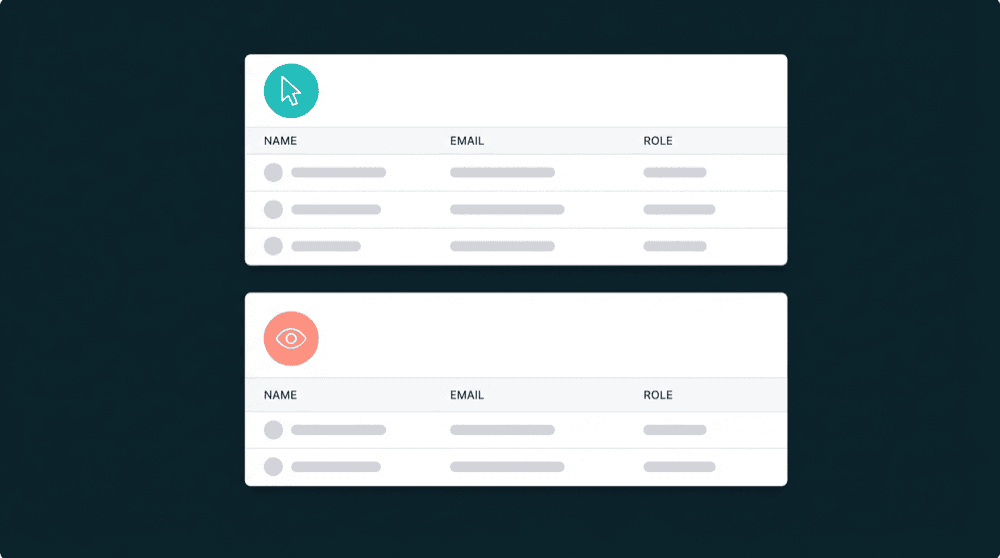
Customer segmentation for more targeted analysis
Segmentation turns raw customer data into actionable groups. Learn the segmentation models that analytics leaders use to move beyond averages and surface patterns in behavior and revenue.
Measuring campaign performance across channels
Campaign analytics requires data from ad platforms, CRM, and billing to tell the full story. This article covers the metrics and data connections that make cross-channel measurement reliable.
Step 3: Advanced Strategy
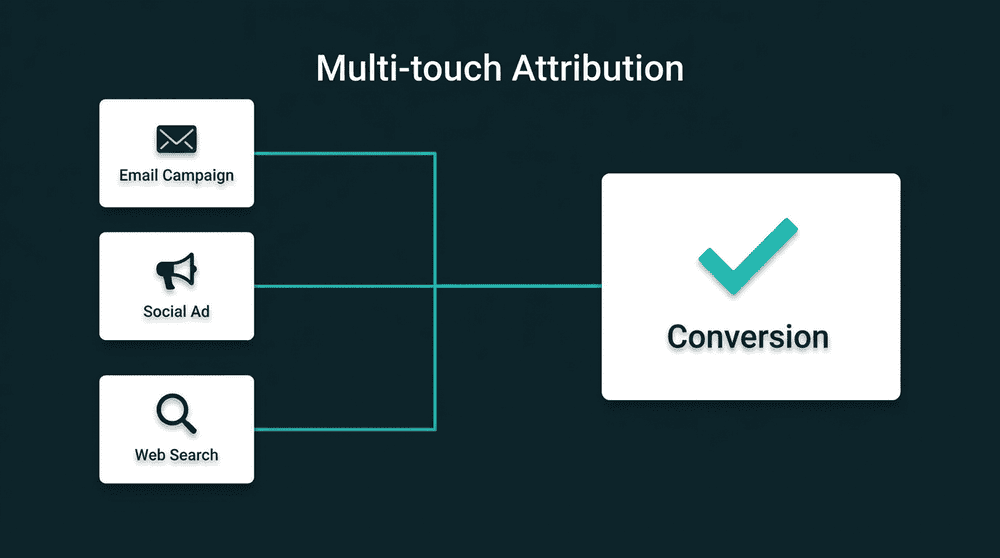
Multi-touch attribution for cross-channel measurement
Single-touch attribution hides which channels actually drive conversions. Learn attribution models and what connected data you need before building an attribution practice.
Turning customer analytics insights into operational decisions
Dashboards that nobody acts on are expensive decoration. Operational analytics closes the gap between insight and action by routing data to the teams and tools that need it.
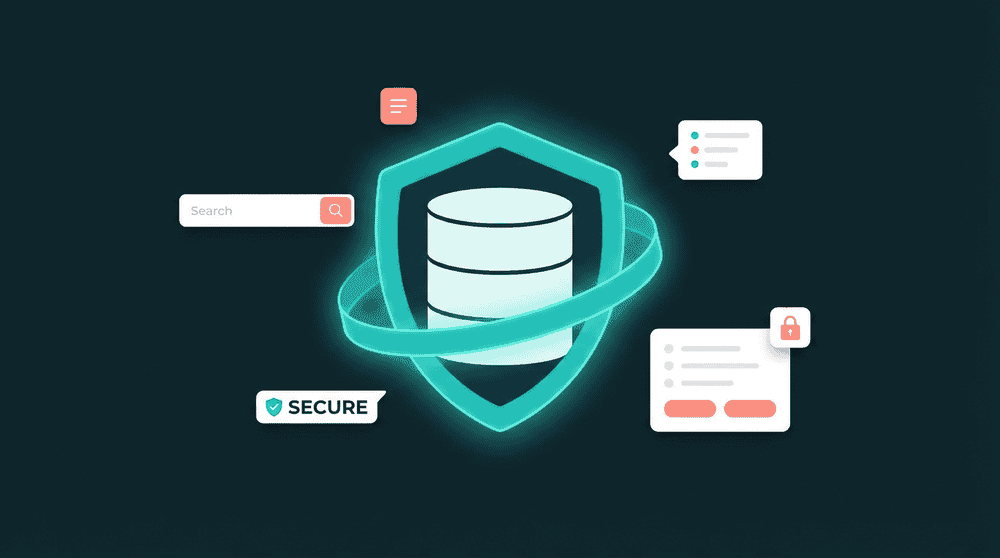
Data governance for reliable customer analytics
Analytics teams inherit whatever data quality their sources produce. Governance frameworks keep definitions consistent, access controlled, and audit trails intact as your analytics surface grows.
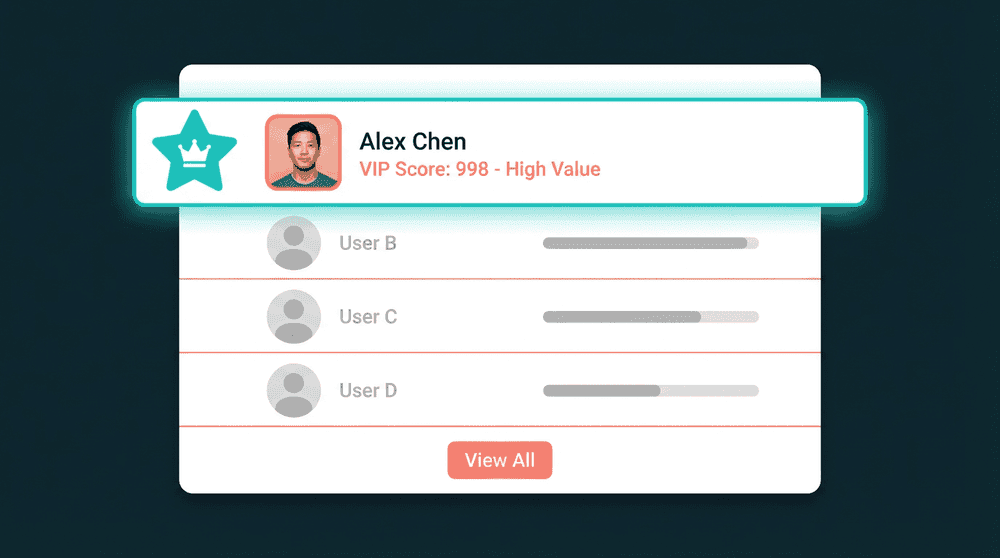
Customer lifetime value as the north star analytics metric
CLV connects acquisition cost, retention, and revenue into a single number. Measuring it accurately requires the same connected data foundation this entire learning path builds toward.