Engineering Leaders
100% free & online
Get unlimited access
Data integration fundamentals for engineering leaders
A structured reading path from ETL basics to data governance. 10 articles that help you make better architecture decisions about how data moves between your tools.
Step 1: Fundamentals
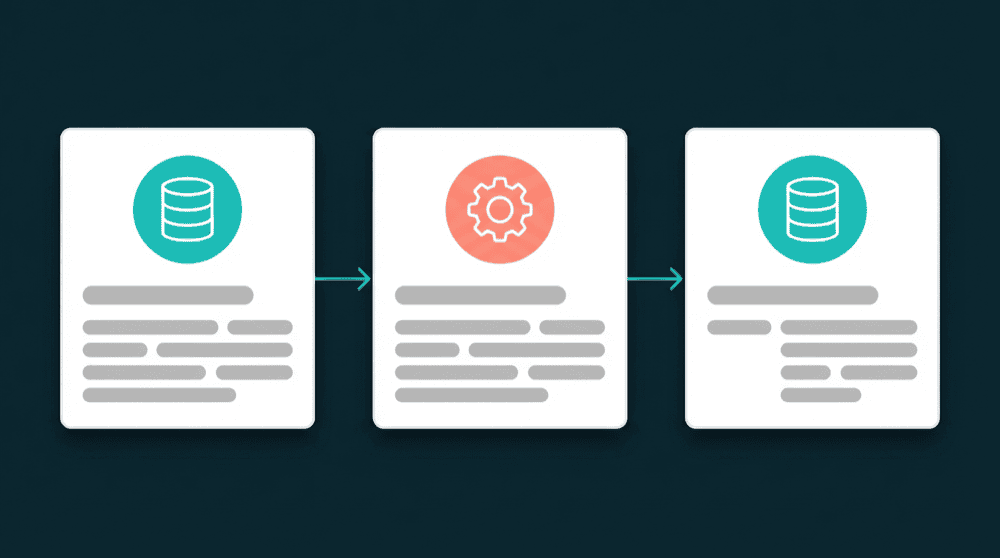
How ETL works and when it applies
Foundation for evaluating any data movement tool your team considers. Understand extract-transform-load before deciding whether your team needs it.
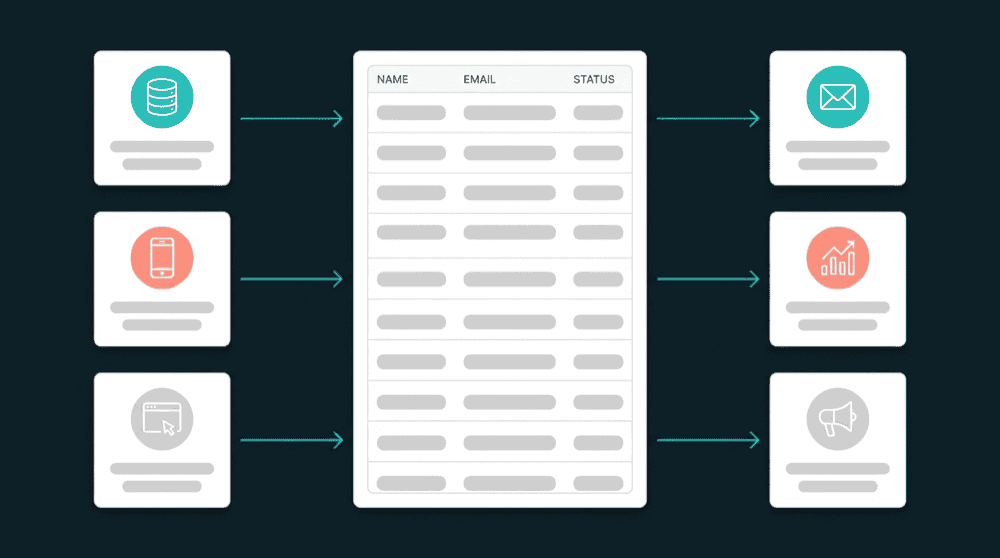
Pipeline architecture patterns for moving data
Know the difference between batch, streaming, and event-driven pipelines so you can match the right pattern to your team's requirements.
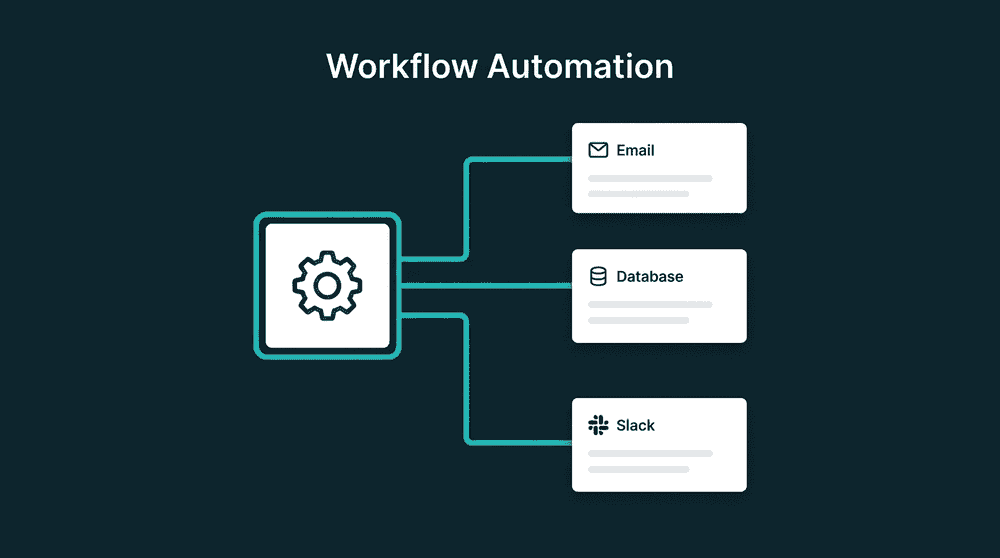
Event-driven integration basics
Webhooks are the building block of real-time integrations. Understand how they work before your team builds on top of them.
Step 2: Building Skills
Efficient data replication without full table scans
CDC reduces sync costs and latency. Know when to push your team toward CDC instead of periodic full extracts.
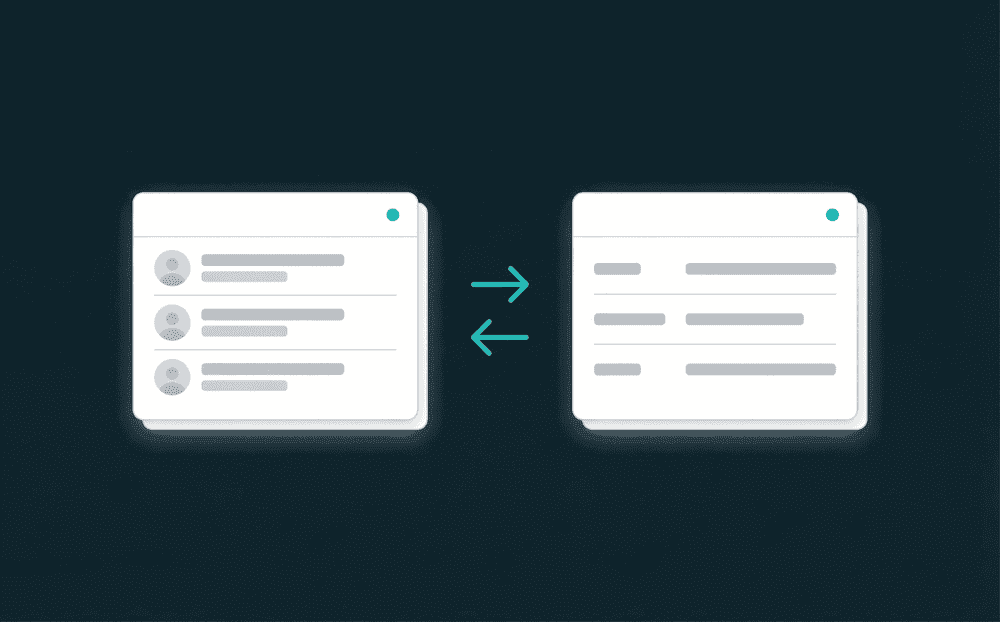
Build vs. buy for your integration layer
The real cost of maintaining custom API integrations is engineer time. This article quantifies the trade-off so you can make the case for managed sync.
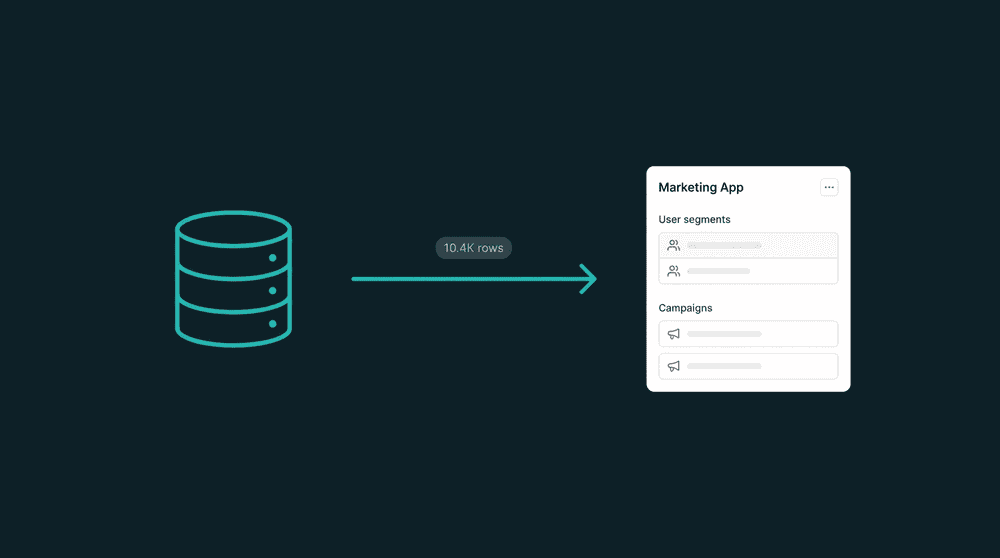
Getting warehouse data back into operational tools
If your team runs a warehouse, reverse ETL closes the loop. If you don't, this article explains why you might not need one.
Step 3: Advanced Strategy
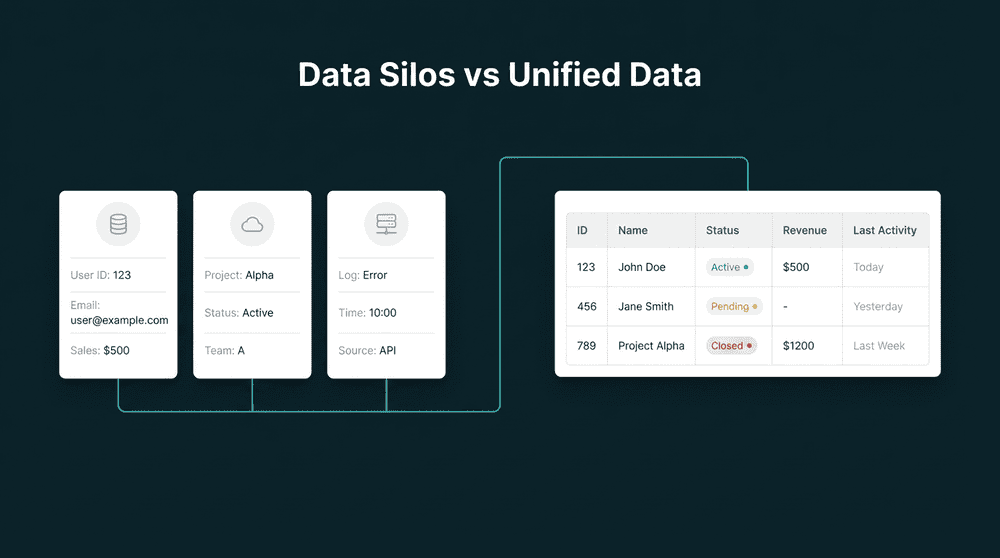
Breaking down data fragmentation across teams
Data silos are an organizational problem, not just a technical one. Understand the patterns that create them so you can design integrations that prevent them.
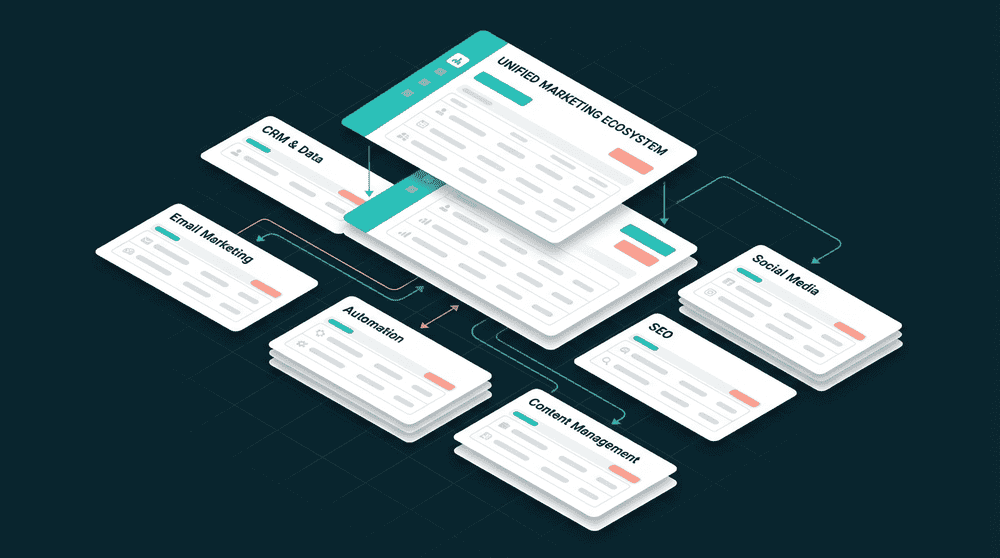
Why integration sprawl fails at scale
Every new tool-to-tool connection adds maintenance burden. Learn when point-to-point integrations become unsustainable and what replaces them.
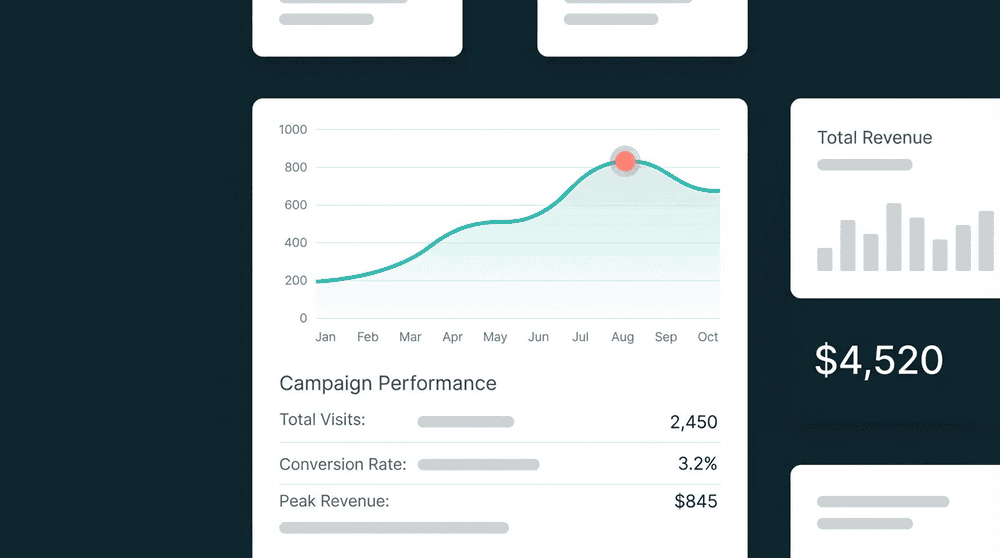
Analytics that drive engineering decisions
Operational analytics close the gap between dashboards and action. Know how to instrument your data flows so insights reach the teams that need them.
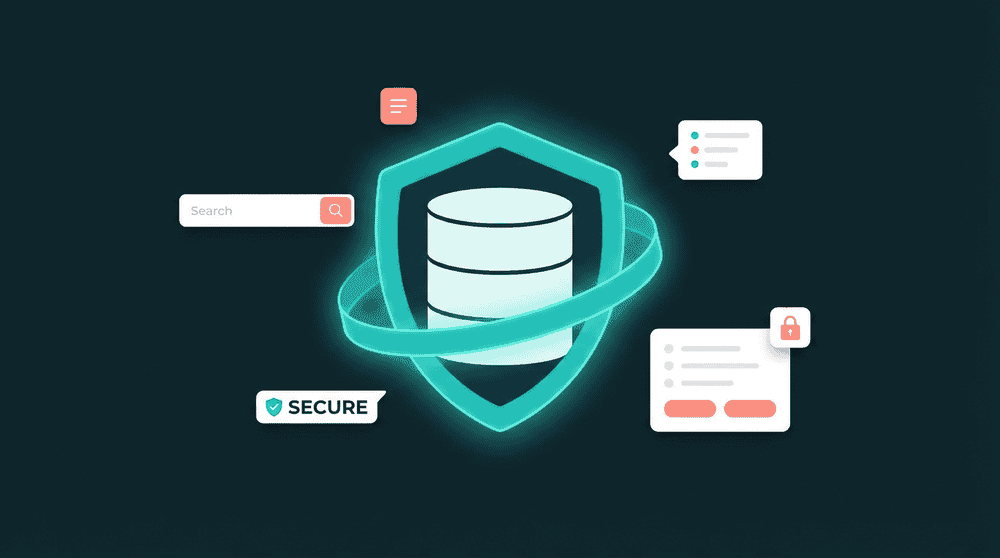
Governing data quality across tools
As your integration surface grows, governance becomes critical. Understand the frameworks that keep data consistent, secure, and auditable across your stack.