Operations Managers
100% free & online
Get unlimited access
Business operations data guide for connecting your tools
A structured learning path for operations managers who keep tools connected without engineering support. 10 articles from data management basics to governance strategy.
Step 1: Fundamentals
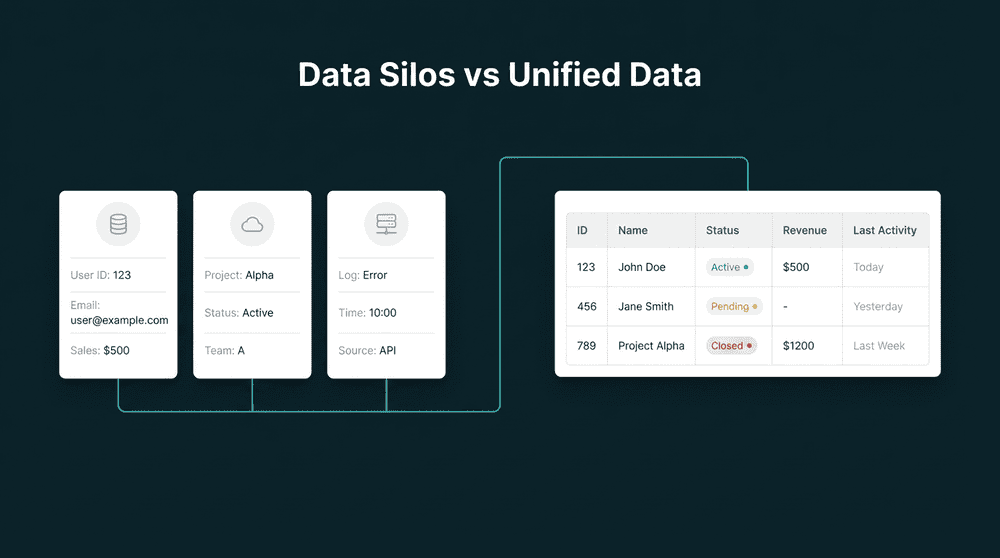
What customer data management means for operations teams
Every tool your team uses holds a slice of the customer. This article explains why keeping those slices consistent is the foundation of good operations.
Why your tools don't share data and what it costs you
Data silos are a connectivity problem, not a technology problem. Understanding where they form helps you choose the right fix instead of patching around them.
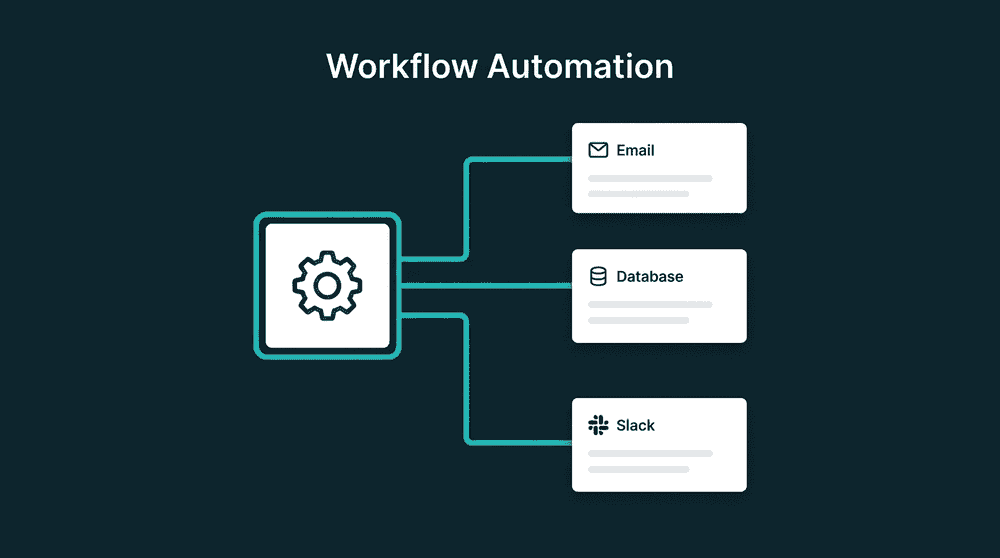
Software integration basics for non-technical teams
Before evaluating integration tools, understand the three ways software connects. This article covers APIs, file transfers, and middleware without the jargon.
Step 2: Building Skills

How to map data between tools without writing code
Data mapping is the step most teams skip. When CRM fields don't match your billing system's fields, nothing syncs correctly. Plan your mappings before connecting tools.
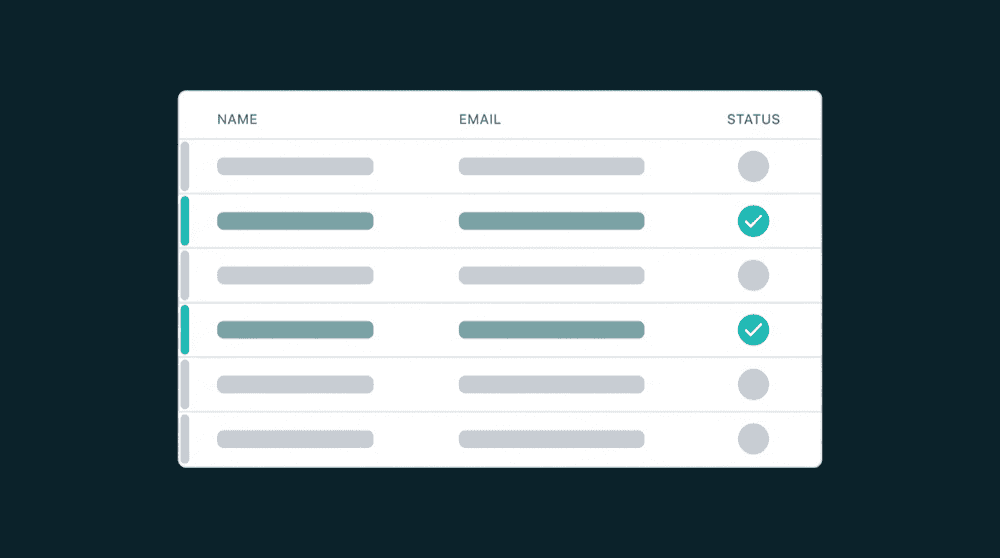
Keeping data accurate across every tool in your stack
Bad data in one tool spreads to every connected tool. This article covers the quality checks that prevent duplicates, stale records, and mismatched fields.
Evaluating integration platforms without engineering help
iPaaS tools promise to connect everything. This article helps you evaluate which ones actually work for ops teams and which ones require a developer on standby.
Step 3: Advanced Strategy
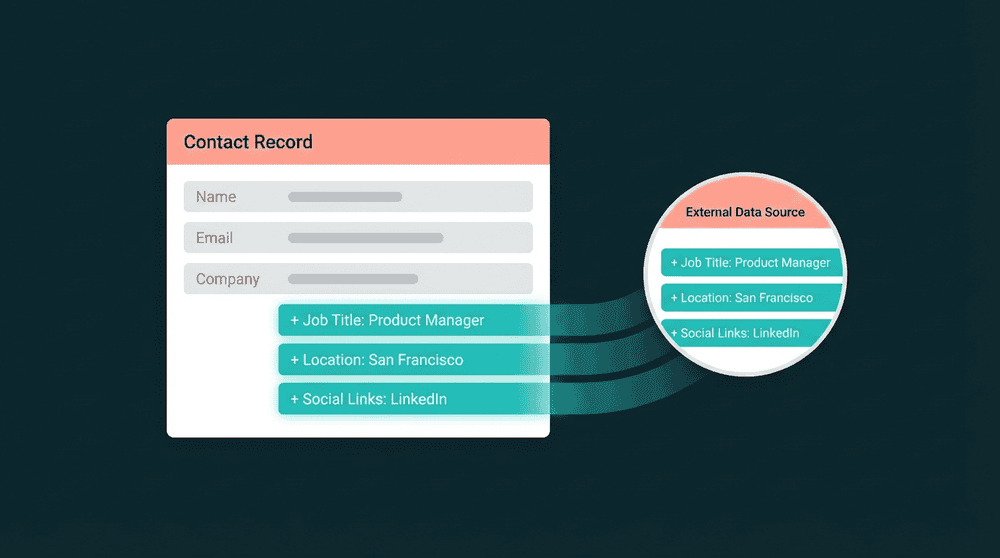
Adding missing context to customer records across tools
Your CRM has names and emails. Your billing tool has plan data. Your support tool has ticket history. Data enrichment brings it together in every tool that needs it.
Automating repetitive data tasks across your stack
If you're manually exporting CSVs or copy-pasting between tools, workflow automation replaces those tasks with rules that run on their own. This article shows you how.
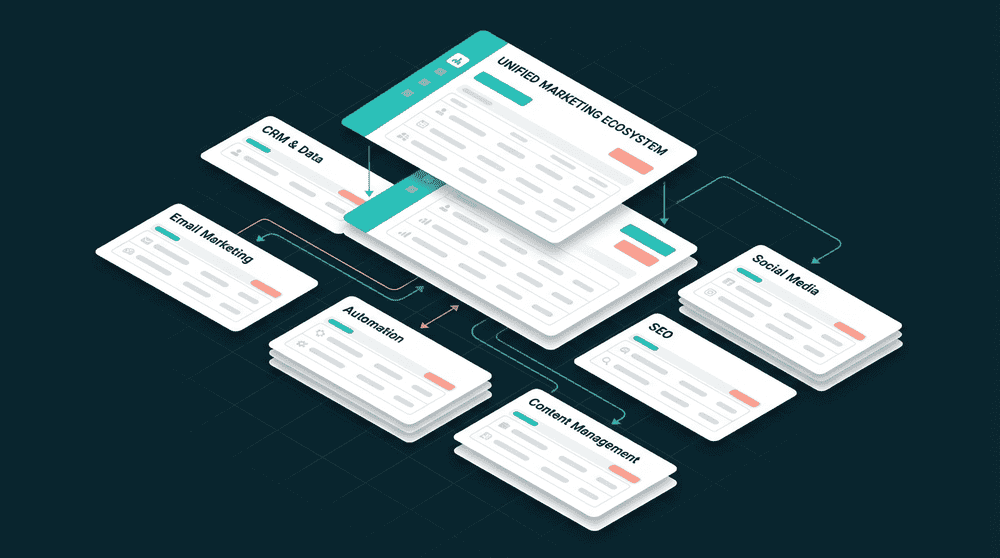
Why adding more integrations creates more problems
Every new tool-to-tool connection adds a point of failure. Learn when your integration approach stops scaling and what to do about it.
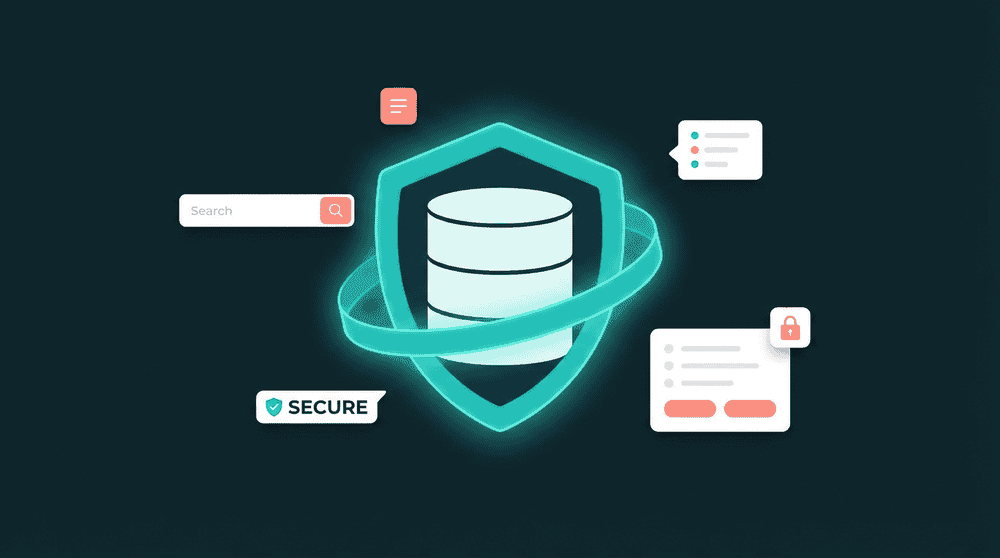
Governing who can access and change data across tools
As your integration surface grows, governance becomes essential. Understand the frameworks that keep data consistent, secure, and auditable across your stack.