RevOps Leaders
100% free & online
Get unlimited access
A revenue operations guide for RevOps leaders
10 curated articles from RevOps fundamentals to CRM data strategy. A revops learning path for the person keeping billing, support, and marketing tools in sync.
Step 1: Fundamentals
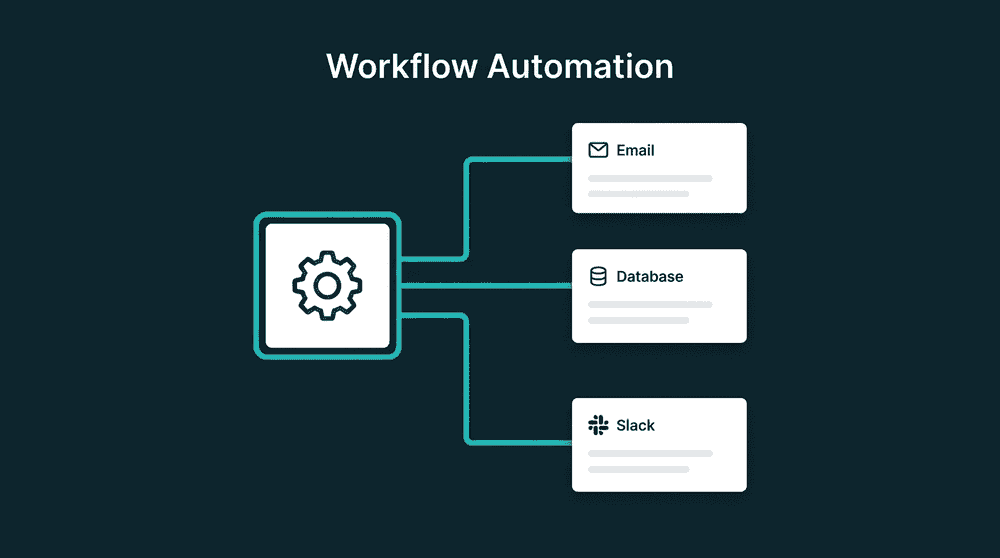
What revenue operations is and why RevOps owns the data problem
RevOps exists because data doesn't flow between tools automatically. Understand the role before solving data problems. This article frames what you're actually responsible for.
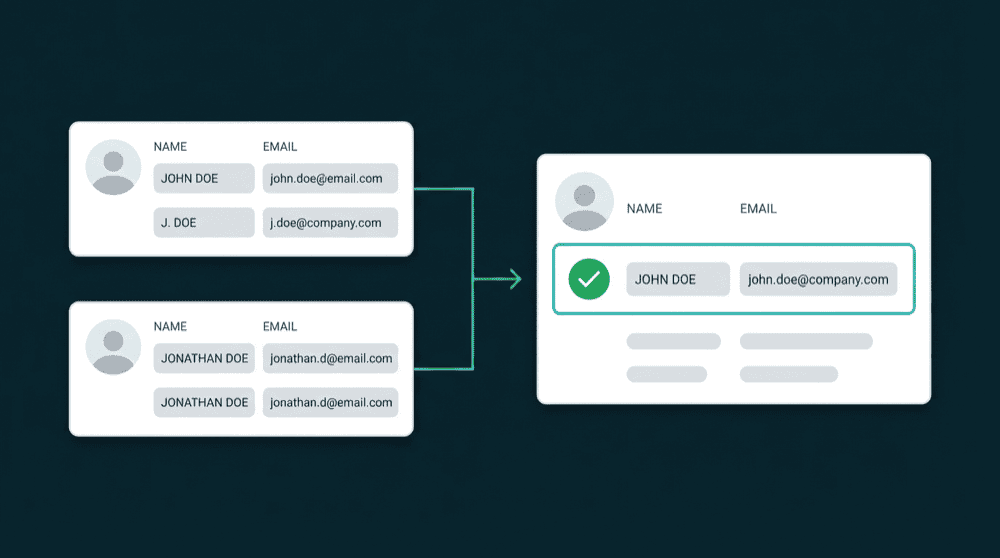
How RevOps differs from sales ops and why the data challenge is the same
Both roles spend most of their time on data plumbing. Understanding the overlap helps you focus on the actual problem: getting billing, support, and CRM data to agree.
CRM integration patterns every revenue operations team should know
Your CRM only knows what gets pushed into it. This article covers one-way, bidirectional, and event-based integration patterns so you can choose the right approach for each data source.
Step 2: Building Skills
Keeping CRM data clean across every revenue tool
Stale CRM data causes bad sales calls, wrong marketing segments, and inaccurate forecasts. Learn the four pillars of CRM data management: completeness, accuracy, timeliness, and consistency.
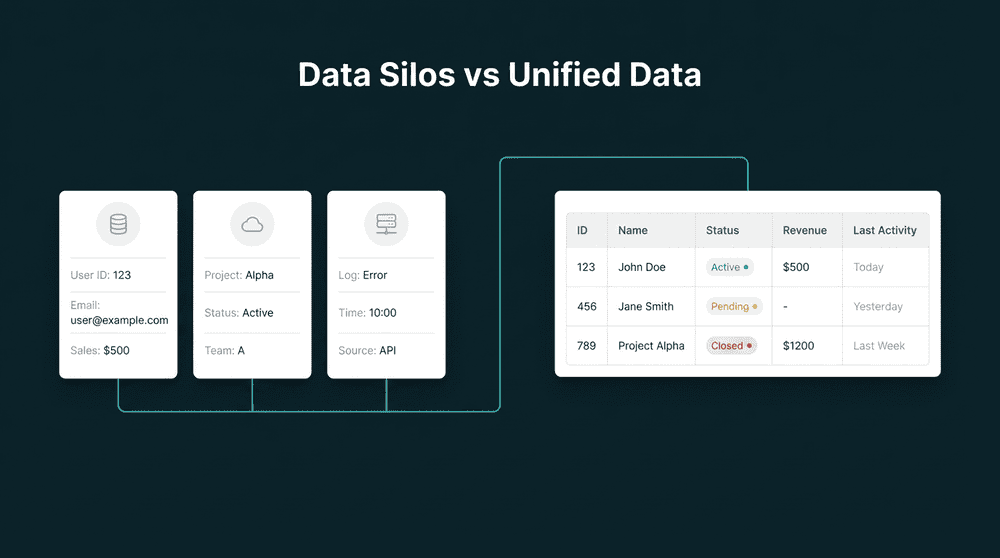
Building your CRM into a real single source of truth
Calling your CRM the source of truth doesn't make it one. This article shows how automated sync from billing, support, and product tools turns that label into reality.
Why data silos form and how to break them across revenue teams
Data silos are an architecture problem, not a discipline problem. Every new tool adds a silo unless you connect it. This article explains the patterns that create fragmentation.
Step 3: Advanced Strategy
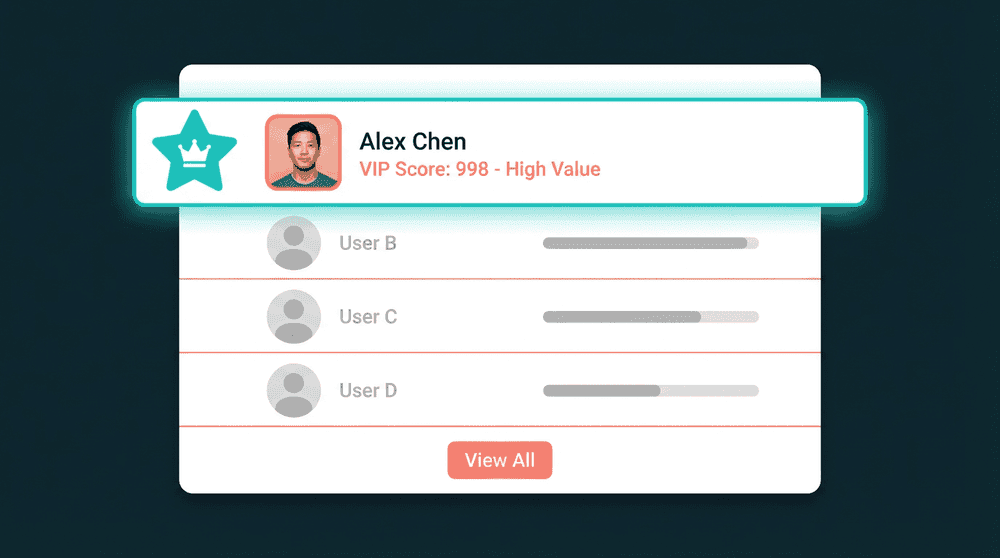
Lead scoring with synced revenue data
Lead scoring models fail when they only see CRM data. Adding billing status, product usage, and support signals requires those data sources connected to your CRM first.
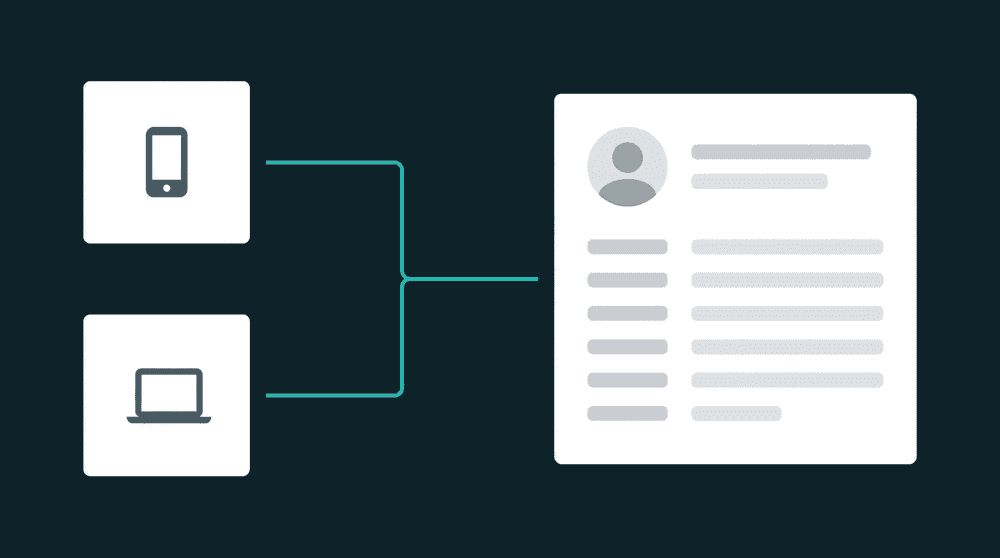
Building a customer 360 view for revenue operations
A unified customer view combines billing, support, product, and CRM data into one record. This article covers how to build it without managing warehouse infrastructure or a dedicated data team.
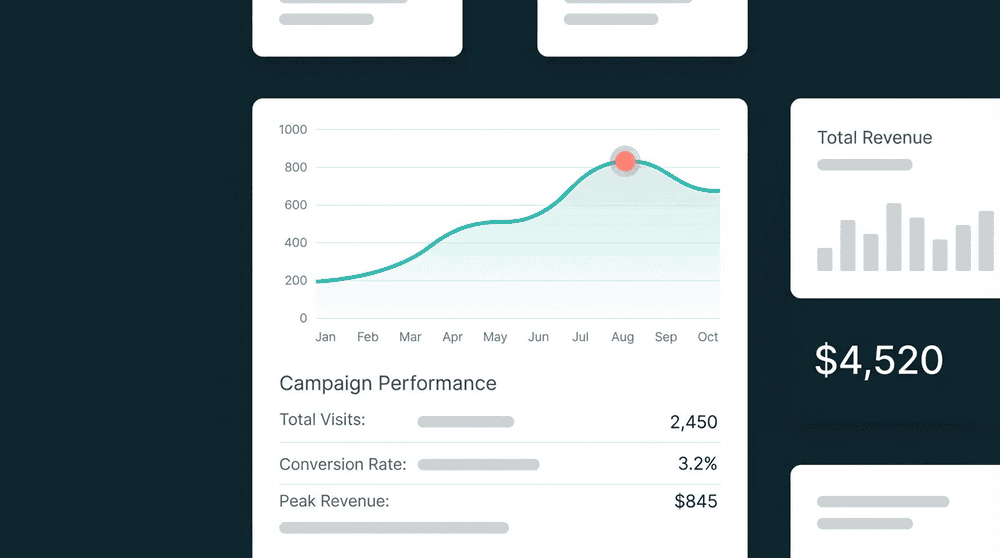
Operational analytics for revenue operations decisions
Dashboards don't change outcomes. Operational analytics puts revenue insights into the tools where your team works. This article covers how to close the gap between reporting and action.

Data mapping between revenue tools
Every sync starts with mapping fields between systems. Get mappings wrong and your CRM data is wrong. This covers direct, transformational, and semantic mapping techniques.