Customer Success Leaders
100% free & online
Get unlimited access
Customer success data guide for CS leaders
A structured reading path from customer 360 basics to churn prediction. 10 articles that help you manage customer health with connected data across your tools.
Step 1: Fundamentals
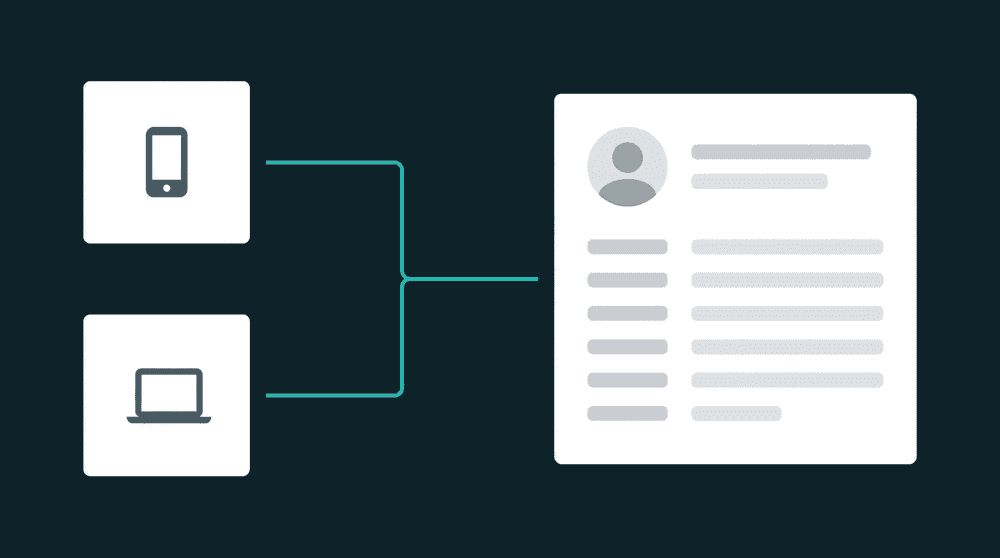
Building a unified customer view from billing, support, and product data
CS teams manage renewals with incomplete context. A customer 360 view puts billing status, support history, and usage data in one place so you see the full picture before every call.
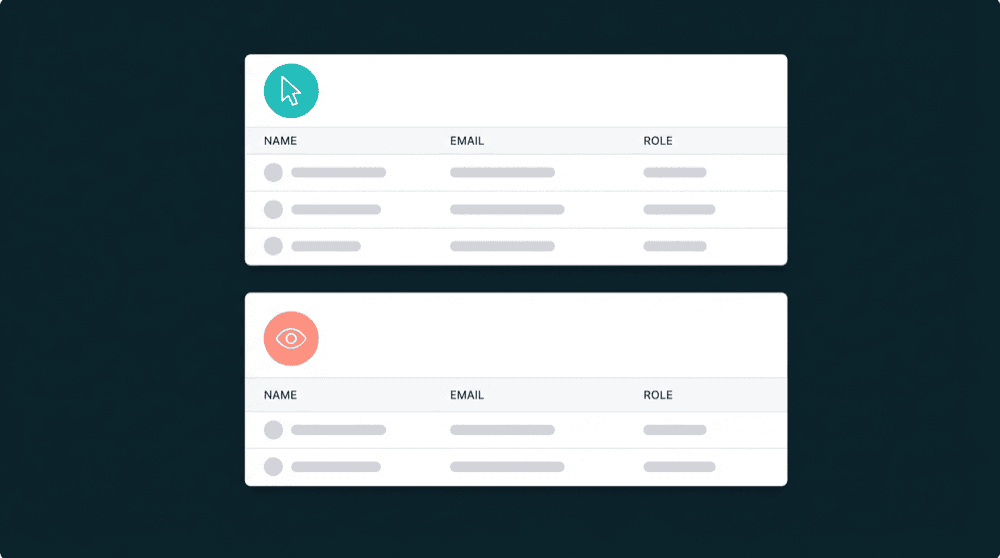
Segmenting customers by health, value, and engagement
Not every account needs the same attention. Segmentation helps you prioritize the accounts most likely to churn or expand instead of treating your entire book equally.
Reading product usage signals that indicate customer health
Login frequency, feature adoption, and usage drop-offs tell you more about account health than any quarterly survey. Behavioral data is the foundation of proactive CS.
Step 2: Building Skills
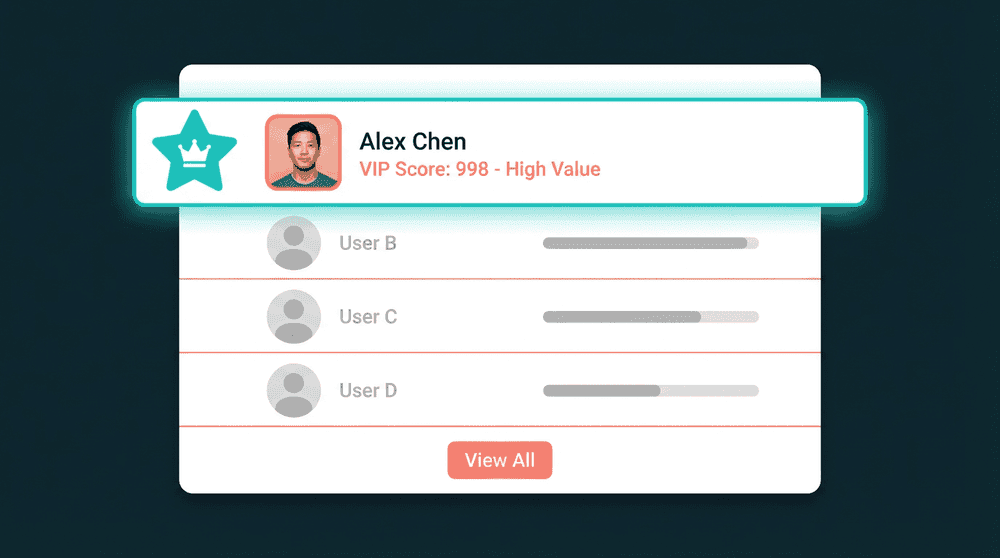
Measuring what each customer is actually worth over time
CLV determines how much you should invest in saving or growing an account. Without it, you're guessing which customers deserve white-glove treatment and which are fine with self-serve.
Tracking portfolio value across your entire book of business
Customer equity is the sum of every customer's lifetime value. It tells you whether your book is growing or shrinking and where to focus retention resources.
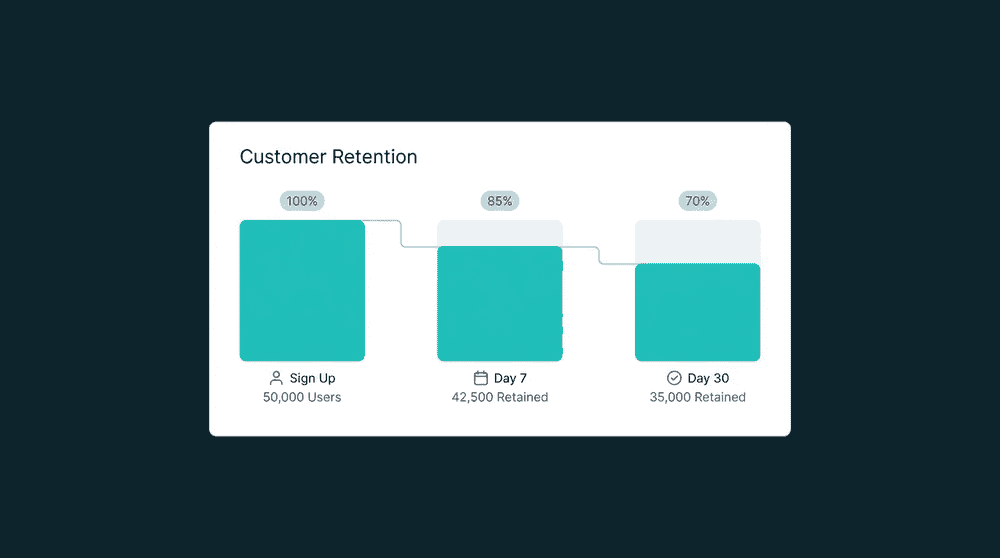
Retention strategies built on connected customer data
Generic retention playbooks fail because they ignore why each customer stays or leaves. Data-connected retention lets you match the intervention to the specific risk.
Step 3: Advanced Strategy
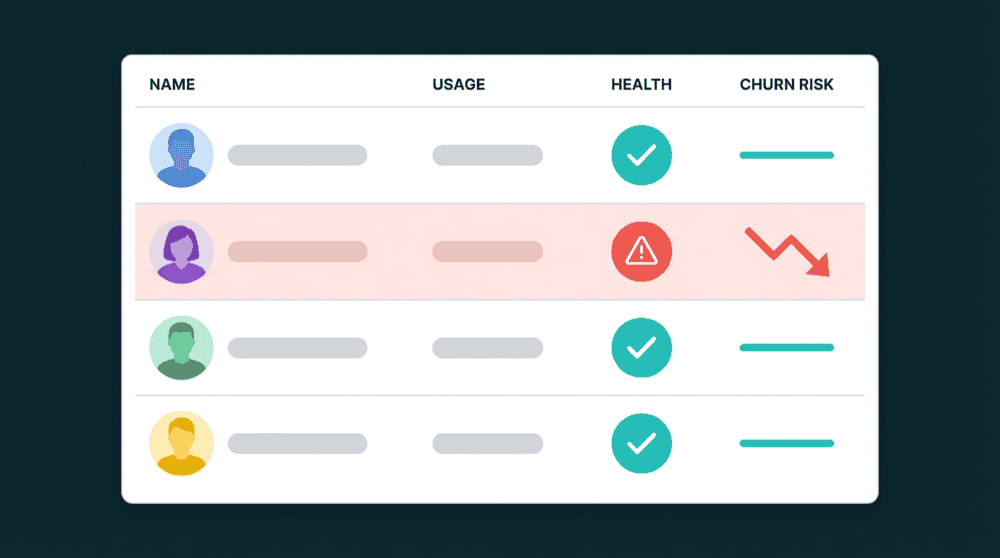
Spotting at-risk accounts before they cancel
Churn signals appear 30-60 days before cancellation. When billing, support, and usage data sync to your CS tool, you can intervene while there's still time to save the account.
Identifying and protecting your highest-value accounts
Your top 10% of customers drive most of your revenue. Identifying them requires billing, support, and product usage data combined. Revenue alone misses cost-to-serve.
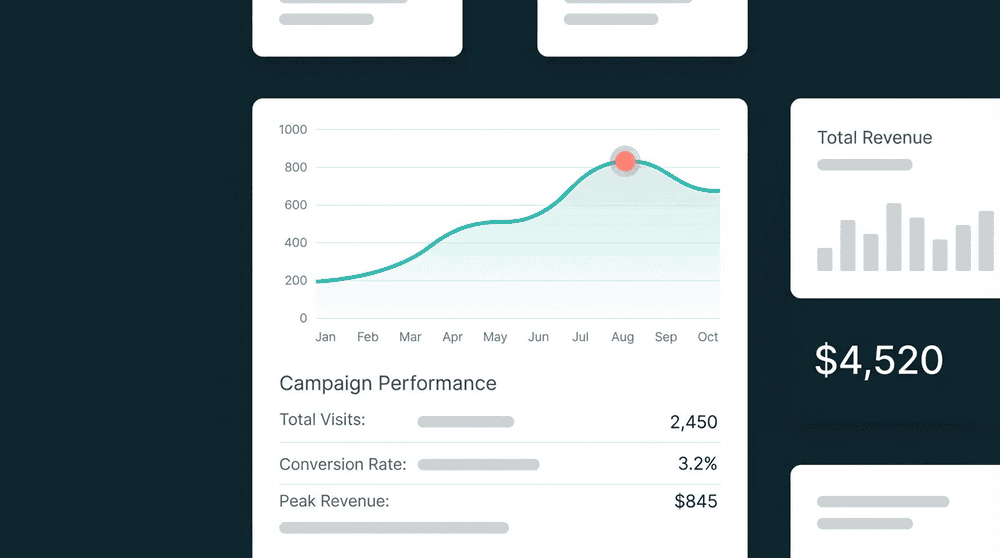
Using customer analytics to run CS proactively
Reactive CS waits for tickets. Proactive CS uses analytics to spot trends across the portfolio and act before problems surface. This article shows what that looks like in practice.
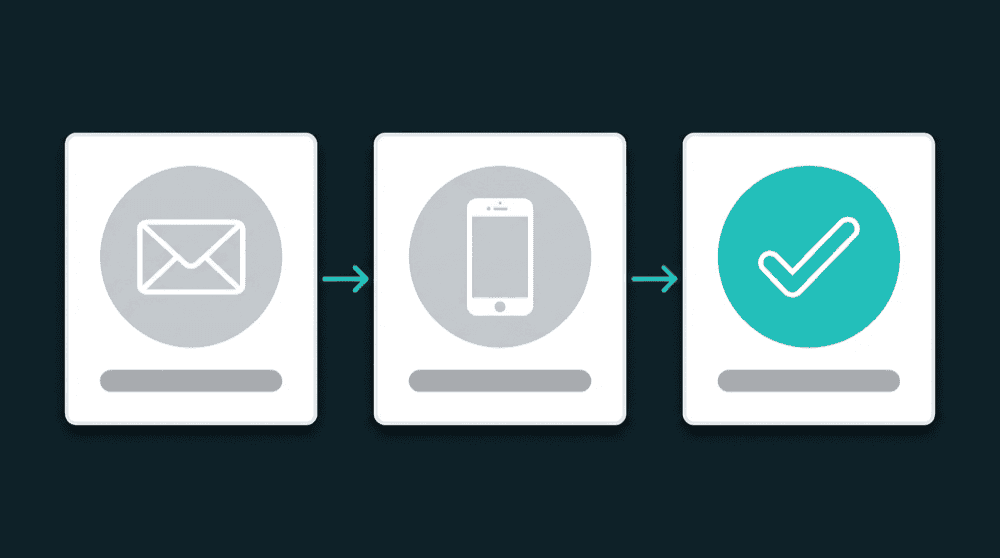
Building a customer-centric culture with shared data
Customer centricity isn't a mindset exercise. It's a data access problem. When every team sees the same customer context, decisions naturally center on the customer.