Oneprofile vs RudderStack: Warehouse Optional
Oneprofile vs RudderStack: warehouse optional, no data team
RudderStack is built for data engineers with warehouses. Oneprofile syncs your tools directly with published pricing.
What Oneprofile and RudderStack do
Both move customer data between tools. Oneprofile syncs via API keys. RudderStack collects events through SDKs and routes them via a warehouse.


Oneprofile vs RudderStack feature comparison
Side-by-side breakdown of the differences that matter when evaluating these two products.
Oneprofile
RudderStack
Warehouse dependency
No. Syncs tool-to-tool directly.
Yes. Warehouse is the core data layer.
Setup time
Minutes. Authenticate tools and map fields.
Days to weeks. SDKs, warehouse setup, data modeling.
Pricing
Published: Free, $100/mo Team, $2,000/mo Enterprise
Free (250k events), Starter $220/mo. Growth needs sales.
Self-serve signup
Yes, all tiers via Stripe checkout
Yes for Free and Starter. Growth and up need sales.
Target buyer
RevOps, growth engineers, founders
Data engineering teams
SDK required
No. Connects via API keys.
Yes. Client-side and server-side SDKs.
Bidirectional connectors
Yes. Every connector reads and writes.
No. Sources, destinations, and reverse ETL are separate.
Open source
No
Yes (core SDK and event pipeline)
Identity resolution
No
Yes (deterministic, warehouse-native)
Real-time transformations
No. Field mapping and sync modes.
Yes. JavaScript and Python transformations in-flight.
Strengths and limitations
Oneprofile
RudderStack
Warehouse optional, no data team required
Syncs data tool-to-tool, warehouse optional. Works natively with Snowflake or BigQuery but does not require one. No data engineering needed. Connect your tools and start syncing in the same session.
Open source with self-hosted option
Core SDKs and event pipeline are open source. Teams with engineering resources can self-host the data plane for full control over data residency and pipeline behavior.
Published, self-serve pricing
Every plan is on the website and purchasable via Stripe. $100/mo Team, $2,000/mo Enterprise. No sales conversations needed at any tier.
Real-time data transformations
JavaScript and Python transformations run on events in-flight before they reach destinations. Data teams can enrich, filter, and reshape data without external ETL tooling.
Bidirectional connectors by default
Every connector reads and writes. No need to configure separate source, destination, and reverse ETL pipelines for the same tool.
Warehouse-native identity resolution
Deterministic identity graphs stored in your own warehouse. No third-party storage of identity data. Full control over merge rules and resolution logic.
No event collection or transformations
Cannot stitch anonymous and known profiles across devices. Teams that need warehouse-native identity graphs should look at RudderStack.
Requires warehouse and data team
Without a populated warehouse and data engineers to manage pipelines, RudderStack's value proposition doesn't hold up. The product is built for teams with infrastructure.
No identity resolution
Cannot stitch anonymous and known profiles across devices. Teams that need warehouse-native identity graphs should look at RudderStack.
Higher tiers move to sales
RudderStack publishes a free tier and a self-serve Starter plan at $220/mo. Growth and Enterprise pricing is not listed and requires a sales conversation.
Our Suggestions
Choose Oneprofile if you need tool-to-tool sync with warehouse optional, no data team, and no sales conversation.
Choose RudderStack if you have a data engineering team with warehouse infrastructure and need open-source event pipelines.
Why teams choose Oneprofile as a RudderStack alternative
For teams that need their SaaS tools in sync with warehouse optional, no SDK instrumentation, and no data engineering team required.
Difference 1
Warehouse optional, no data engineering team
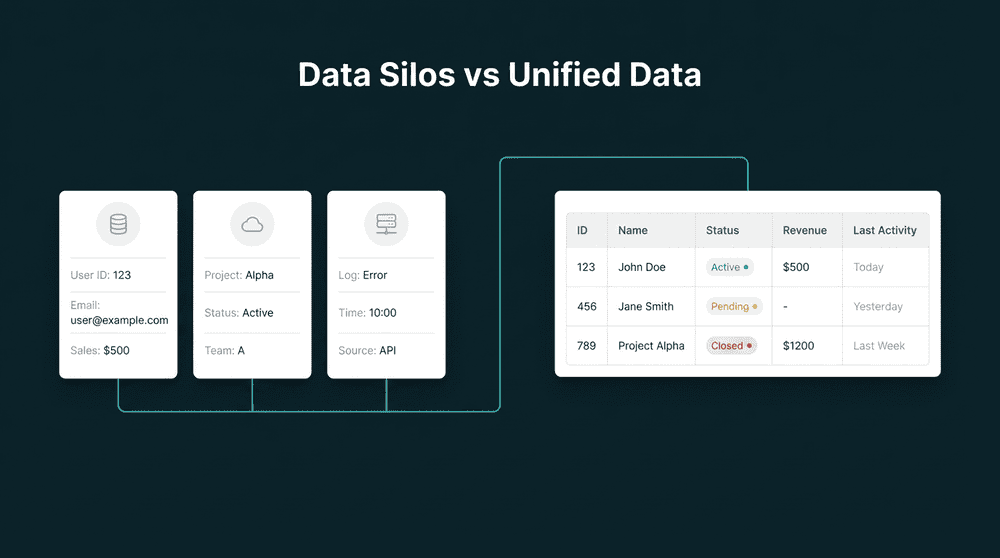
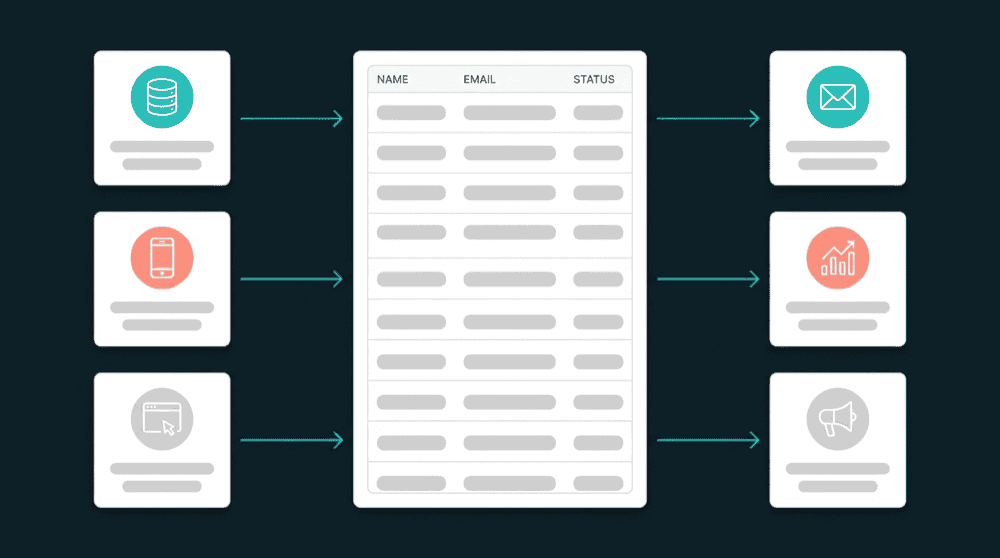
RudderStack depends on a warehouse you already own. You need Snowflake, BigQuery, or Redshift before activation happens, plus engineers who know SQL and maintain data models. Oneprofile makes the warehouse optional. Connect tools through API keys, map fields, and data flows between them. Plug in a warehouse when you have one, or skip it entirely.
Difference 2
Open source adds complexity without engineers
RudderStack's open-source model is genuinely valuable if you have engineers who can self-host the data plane, contribute patches, and debug pipeline issues in the codebase. For a 5-person team without a data engineer, open source means more moving parts instead of more control. Oneprofile is managed infrastructure. Connect your tools and we handle the pipeline, retries, and monitoring.
Difference 3
Published pricing, self-serve signup
RudderStack publishes a free tier (250k events/mo) and a self-serve Starter plan at $220/mo. Growth and Enterprise pricing is not listed and needs a sales call. Oneprofile publishes every plan: Free, $100/mo Team, $2,000/mo Enterprise. All tiers are purchasable through Stripe checkout. No sales calls at any tier, no event-volume billing surprises.
Difference 4
One connector type, not three pipeline types
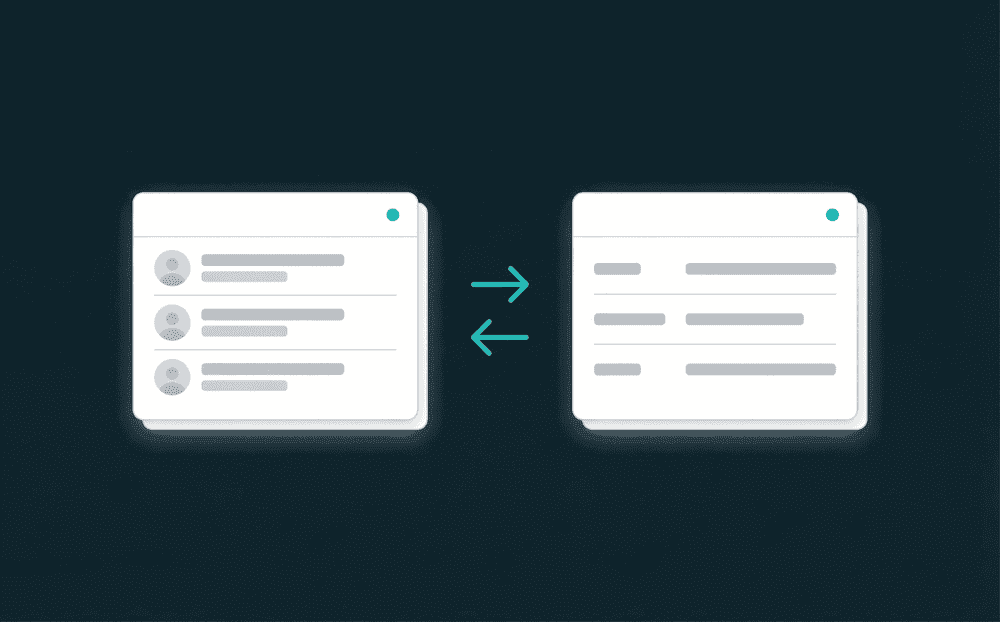
RudderStack splits data flow into three distinct pipeline types: event sources for SDK collection, cloud destinations for activation, and reverse ETL for warehouse-to-tool pushes. Syncing between two tools in both directions means configuring multiple pipeline types. On Oneprofile, every connector reads and writes. Connect two tools and data flows both ways through a single integration.
Difference 5
Field-level change tracking
Oneprofile tracks which specific fields changed with old and new values, then sends precise diffs to destinations. Only data that actually changed gets written. This reduces API calls and prevents overwriting fields updated by other tools or team members. RudderStack streams events as they happen without tracking field-level record changes.
Related Content
Is Oneprofile a RudderStack alternative?
Do I need a data warehouse to use Oneprofile?
Is RudderStack really free?
What does RudderStack offer that Oneprofile does not?
Can I use Oneprofile without a data engineering team?