Oneprofile vs mParticle: No SDK Needed
Oneprofile vs mParticle: no SDK, no opaque pricing
An mParticle alternative that syncs your tools in minutes. Published pricing, no SDK instrumentation required.
What Oneprofile and mParticle do
Both get customer data into the right tools. Oneprofile syncs tools directly via API keys; mParticle collects events through mobile and web SDKs.


Oneprofile vs mParticle feature comparison
Side-by-side comparison of the features that matter when choosing between these two products.
Oneprofile
mParticle
Setup time
Minutes. Authenticate tools and map fields.
Weeks to months. SDK instrumentation across every touchpoint.
Pricing
Published: Free, $100/mo Team, $2,000/mo Enterprise
Consumption credits. No published pricing. Contact sales.
Self-serve signup
Yes, all tiers via Stripe checkout
No. Enterprise sales process required.
SDK required
No. Connects via API keys.
Yes. Mobile, web, and server SDKs.
Bidirectional connectors
Yes. Every connector reads and writes.
No. Sources (SDKs) and destinations are separate.
Warehouse dependency
No
No, but data stored in mParticle's infrastructure
Sync modes
Update, Update or Create, Create Only, Mirror
Event streaming (append-only)
Field-level change tracking
Yes, with old and new values
No. Event-based, not field-level.
Identity resolution
No
Yes (deterministic + probabilistic, cross-device)
Integration count
100+
190+ destinations, 20+ SDK sources
Strengths and limitations
Oneprofile
mParticle
No SDK required
Connect tools by authenticating with API keys. No mobile SDK instrumentation, no tracking plans to design, no engineering sprint to deploy code across touchpoints.
Mobile SDK specialization
Purpose-built SDKs for iOS, Android, and web that handle event buffering, batching, and offline queueing. If mobile app analytics drives your business, mParticle's SDK depth is hard to match.
Published pricing at every tier
$100/mo Team and $2,000/mo Enterprise, purchasable via Stripe. No sales calls, no consumption-credit surprises.
Cross-device identity resolution
Deterministic and probabilistic identity stitching across mobile, web, and offline touchpoints. Builds a unified customer profile that persists across sessions and devices.
Bidirectional connectors by default
Every connector reads and writes. Sync data between tools in both directions without building separate source and destination pipelines.
Enterprise security certifications
SOC 2 Type II, ISO 27001, GDPR, CCPA, and LGPD compliance. Enterprise brands in regulated industries rely on mParticle's security posture.
Smaller integration catalog
Oneprofile does not stitch anonymous and known user profiles across devices. If cross-device identity is a requirement, mParticle is the better fit.
Opaque consumption-credit pricing
No published pricing at any tier. Consumption credits make costs hard to predict before going live. Every plan requires a sales conversation.
No identity resolution
Oneprofile does not stitch anonymous and known user profiles across devices. If cross-device identity is a requirement, mParticle is the better fit.
SDK instrumentation overhead
Getting data in requires deploying mobile, web, and server SDKs across every touchpoint. This is an engineering project that can take weeks to months.
Our Suggestions
Choose Oneprofile if you need tool-to-tool sync without SDK instrumentation, with published pricing and self-serve signup.
Choose mParticle if you need mobile SDK event collection, cross-device identity resolution, and enterprise audience management.
Why teams choose Oneprofile as an mParticle alternative
For teams that need tool-to-tool sync without SDK instrumentation, consumption-credit pricing, or months of implementation work.
Difference 1
No SDK required to get started
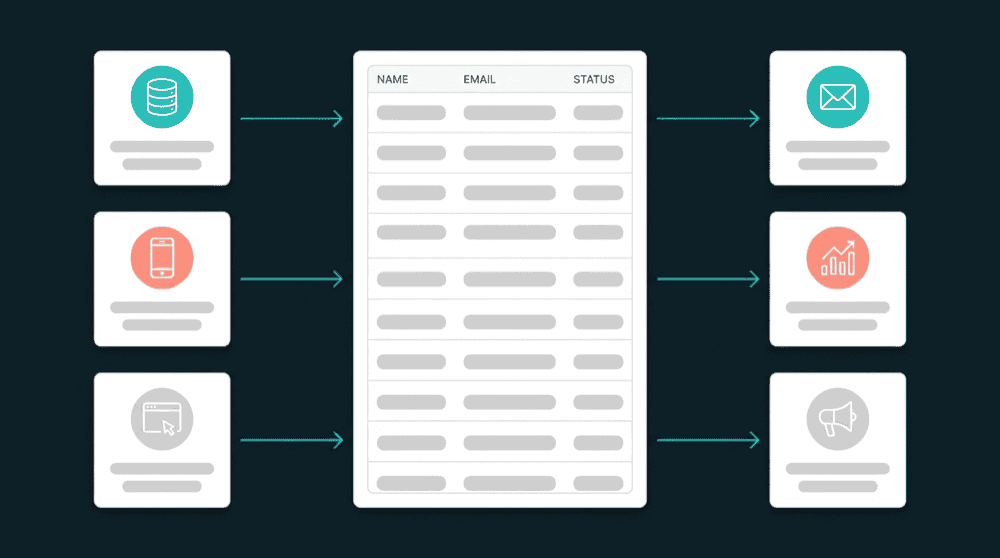
mParticle depends on instrumenting SDKs across your mobile apps, website, and server. That's an engineering project: choose events to track, build a tracking plan, deploy code to production, QA the data flowing through. Oneprofile connects tools through API keys. Authenticate your CRM, support tool, or database, map fields, and data syncs. Most teams are live within an hour.
Difference 2
Published pricing, no consumption credits
mParticle uses a consumption-credit pricing model. Credits are consumed by event volume, audience queries, and downstream activations. The total depends on usage patterns that are hard to predict before going live. Every tier requires a sales conversation. Oneprofile publishes every plan on the website: Free, $100/mo Team, $2,000/mo Enterprise. Purchase through Stripe checkout.
Difference 3
Bidirectional connectors by default
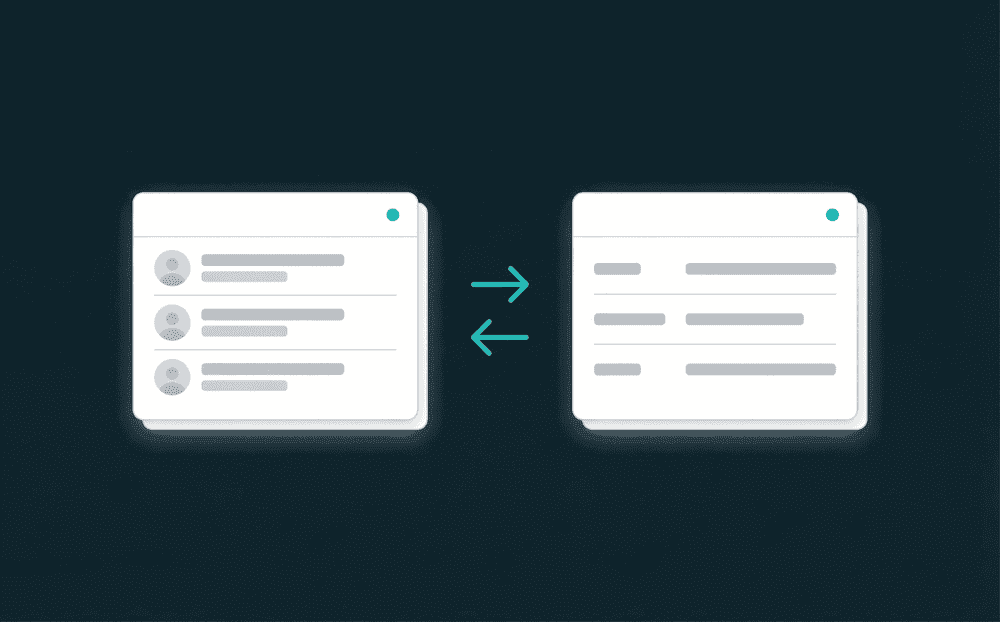
mParticle separates data collection (SDK sources) from activation (destinations). To get data into mParticle, you instrument an SDK. To send data out, you configure a destination. Syncing between two tools in both directions requires two SDKs and two destination configs. On Oneprofile, every connector reads and writes. Connect two tools and data flows both ways.
Difference 4
Minutes to first sync, not months
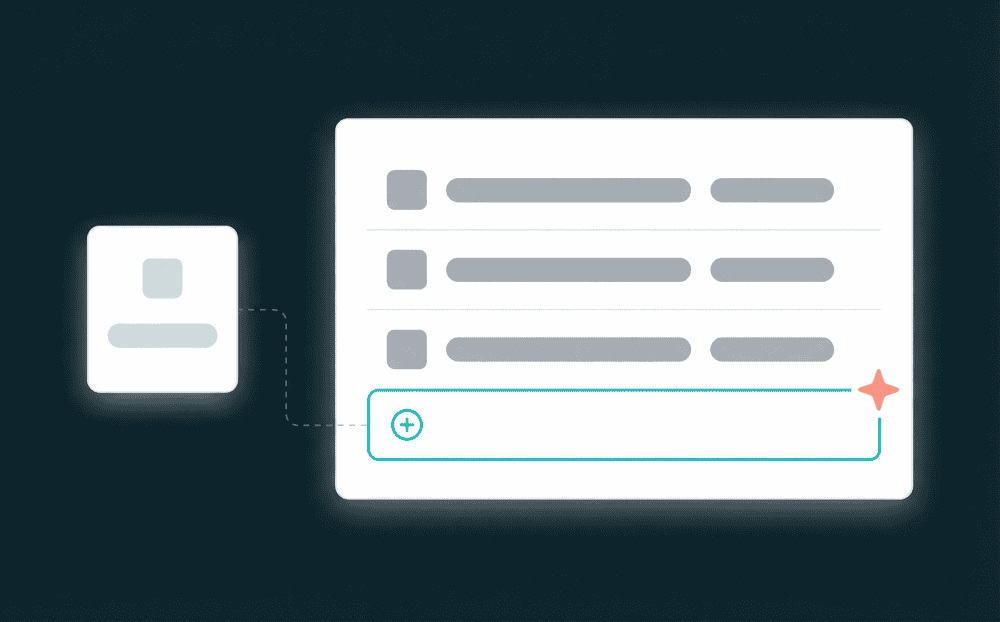
mParticle implementations typically take weeks to months. You need to design a tracking plan, instrument SDKs across every touchpoint, validate event data, configure identity resolution, and set up downstream destinations. Oneprofile skips all of that. Authenticate a tool, map the fields you want to sync, and data starts flowing. No tracking plans to design or SDK deployments to coordinate.
Difference 5
Field-level change tracking
Oneprofile tracks which specific fields changed with old and new values, then sends precise diffs to destinations. Only the data that actually changed gets sent. This reduces API calls and prevents overwriting fields updated by sales reps or support agents. mParticle streams events without tracking field-level record changes.

Related Content
Does Oneprofile replace mParticle?
Is mParticle's pricing published?
Can I migrate from mParticle to Oneprofile?
What does mParticle offer that Oneprofile does not?
Do I need mobile SDKs to use Oneprofile?