Oneprofile vs Segment: No SDK Required
Oneprofile vs Segment: sync your tools without the complexity
A Segment alternative that connects your tools in minutes. Published pricing, no SDK required, warehouse optional.
What Oneprofile and Segment do
Both help teams get customer data into the right tools. Oneprofile syncs tools directly; Segment collects events through SDKs.


Oneprofile vs Segment feature comparison
Side-by-side comparison of the features that matter when choosing.
Oneprofile
Segment
Setup time
Minutes. Authenticate and map fields.
Weeks. SDK instrumentation and schema design.
Pricing
Published: $100/mo Team, $2,000/mo Enterprise
Free tier published. Paid tiers require sales call.
Self-serve signup
Yes, all tiers via Stripe
Free tier only. Paid plans require sales.
Bidirectional connectors
Yes. Every connector reads and writes.
No. Sources and destinations are separate.
Warehouse dependency
No
No, but recommended for advanced features
Sync modes
Update, Update or Create, Create Only, Mirror
Append-only event streaming
Field-level change tracking
Yes, with old and new values
No. Event-based, not field-level.
Error recovery
Yes
No
Identity resolution
No
Yes (Unify)
Integration count
100+
700+ (sources + destinations)
Strengths and limitations
Oneprofile
Segment
No SDK required
Connect tools by authenticating with API keys. No client-side instrumentation, no tracking plans, no engineering sprint to get started.
Massive integration catalog
700+ total integrations across sources and destinations. If you rely on niche SaaS tools, Segment likely has a pre-built connector ready to go.
Published pricing at every tier
$100/mo Team and $2,000/mo Enterprise, purchasable via Stripe. No sales calls required at any tier.
Identity resolution with Unify
Stitches anonymous and known user profiles across devices and sessions. Essential for teams that need cross-device user journeys.
Bidirectional connectors by default
Every connector reads and writes. Sync data between tools in both directions with a single integration.
Free tier for startups
The free plan (1,000 MTUs, 2 sources) lets small teams start collecting events without a sales conversation.
Smaller integration catalog
Oneprofile does not stitch anonymous and known user profiles across devices. If cross-device identity is a requirement, Segment is the better fit.
Opaque paid pricing
Team and Business plan pricing requires contacting sales. MTU-based billing can spike unpredictably as traffic grows.
No identity resolution
Oneprofile does not stitch anonymous and known user profiles across devices. If cross-device identity is a requirement, Segment is the better fit.
SDK instrumentation overhead
Getting data in requires installing SDKs and maintaining a tracking plan. This is an engineering project, not a quick setup.
Our Suggestions
Choose Oneprofile if you need tool-to-tool sync with published pricing and no SDK overhead.
Choose Segment if you need identity resolution, event streaming, and a 700+ integration catalog.
Why teams choose Oneprofile as a Segment alternative
For teams that need tool-to-tool sync without SDK instrumentation or sales conversations. Warehouse optional.
Difference 1
No SDK required to get started
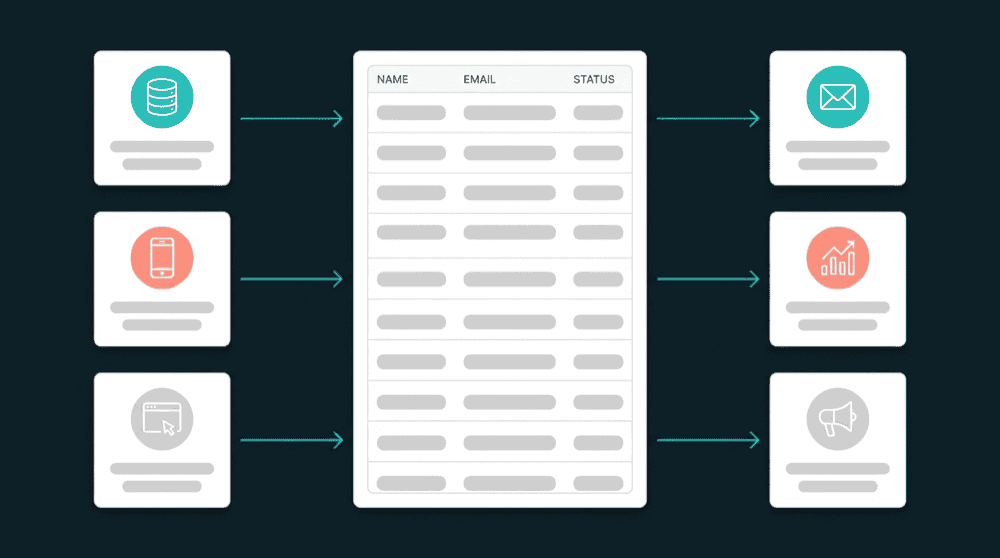
Oneprofile connects tools by authenticating with API keys. No client-side instrumentation, no tracking plans to design, no engineering sprint to ship JavaScript snippets. Most teams are syncing data within an hour of signing up.
Difference 2
Published pricing at every tier
Oneprofile's Team plan is $100/mo and Enterprise is $2,000/mo, published on the website. Segment's free tier has published limits (1,000 MTUs, 2 sources), but paid tiers require a sales conversation. MTU-based billing penalizes anonymous traffic, making costs hard to predict.
Difference 3
Bidirectional connectors by default
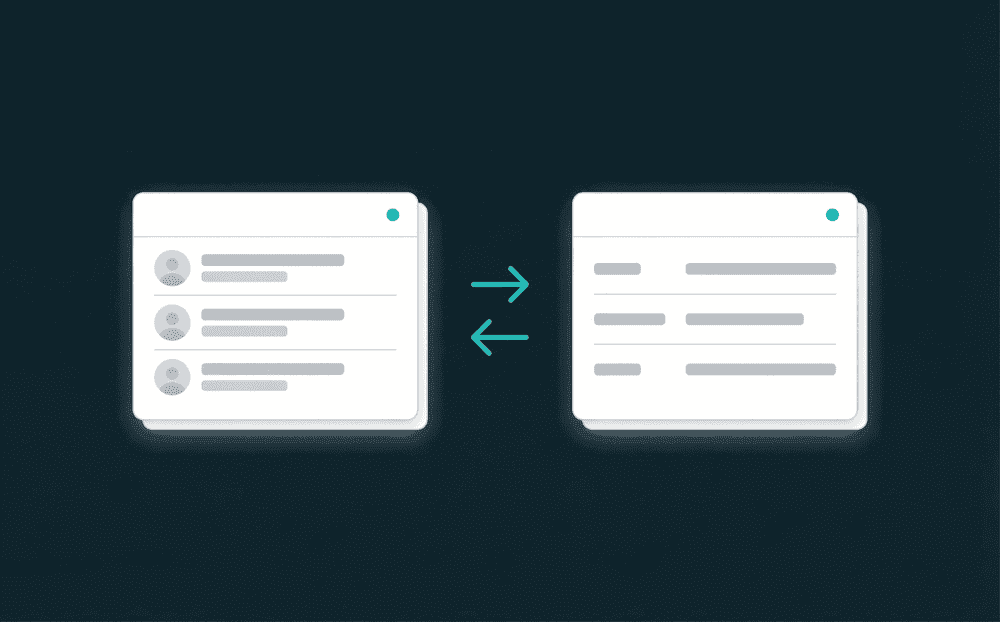
Every Oneprofile connector reads and writes. Segment separates sources (450+) and destinations (700+) into different connector types. To sync data between two tools in both directions on Segment, you need four integrations. On Oneprofile, you need two.
Difference 4
Field-level change tracking
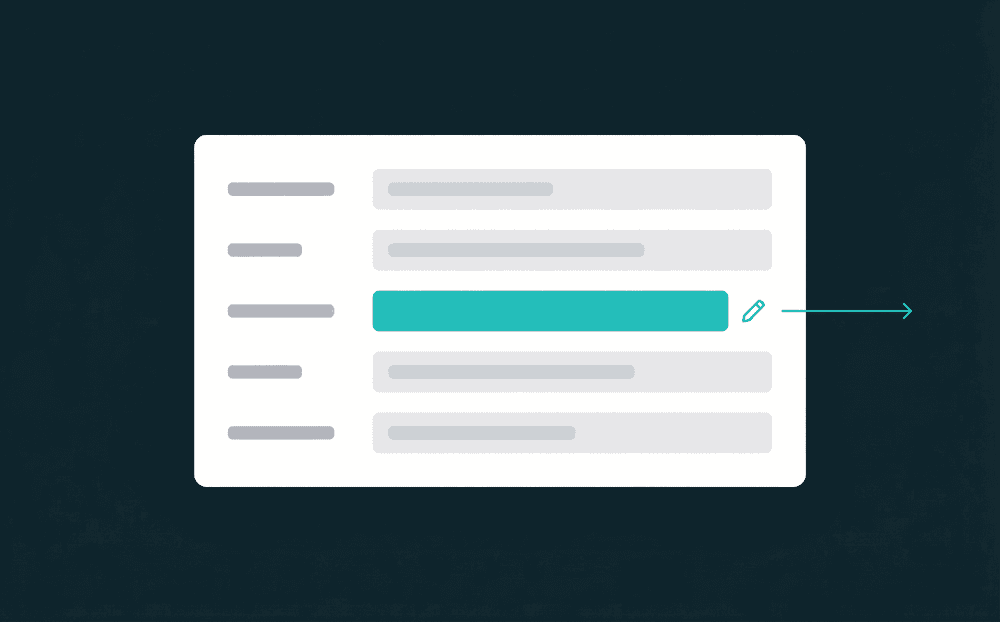
Oneprofile tracks which specific fields changed with old and new values, then sends precise diffs to destinations. This reduces API calls and prevents overwriting data that hasn't changed. Segment streams events without tracking field-level record changes.
Difference 5
Self-serve from free to enterprise
Every Oneprofile plan is purchasable through Stripe checkout. No sales calls at any tier, ever. Segment requires sales conversations for Team and Business plans, and advanced features like Protocols and Engage are paid add-ons behind additional negotiations.
Related Content
Does Oneprofile replace Segment?
Can I migrate from Segment to Oneprofile?
Why is Segment's paid pricing not published?
Does Oneprofile have as many integrations as Segment?
What does Segment offer that Oneprofile does not?
Do I need a data warehouse to use either tool?